Roof Repairs Tipperary
How We Approach a Roof Repair
A repair call starts with getting eyes on the actual roof, not a description over the phone — because "a few slates came off in the storm" can mean anything from a five-minute fix to a sign that the whole roof covering is past its working life.
Once we're up there, we're checking three things: what's visibly damaged, what's underneath it, and whether the same spot has failed before. That third one matters more than people expect — a slate that's slipped once is weather; a slate that's slipped in the same spot twice usually means the batten it was fixed to has gone, or the nails have corroded through, and replacing the slate again without addressing that just buys you another call-out in a year.
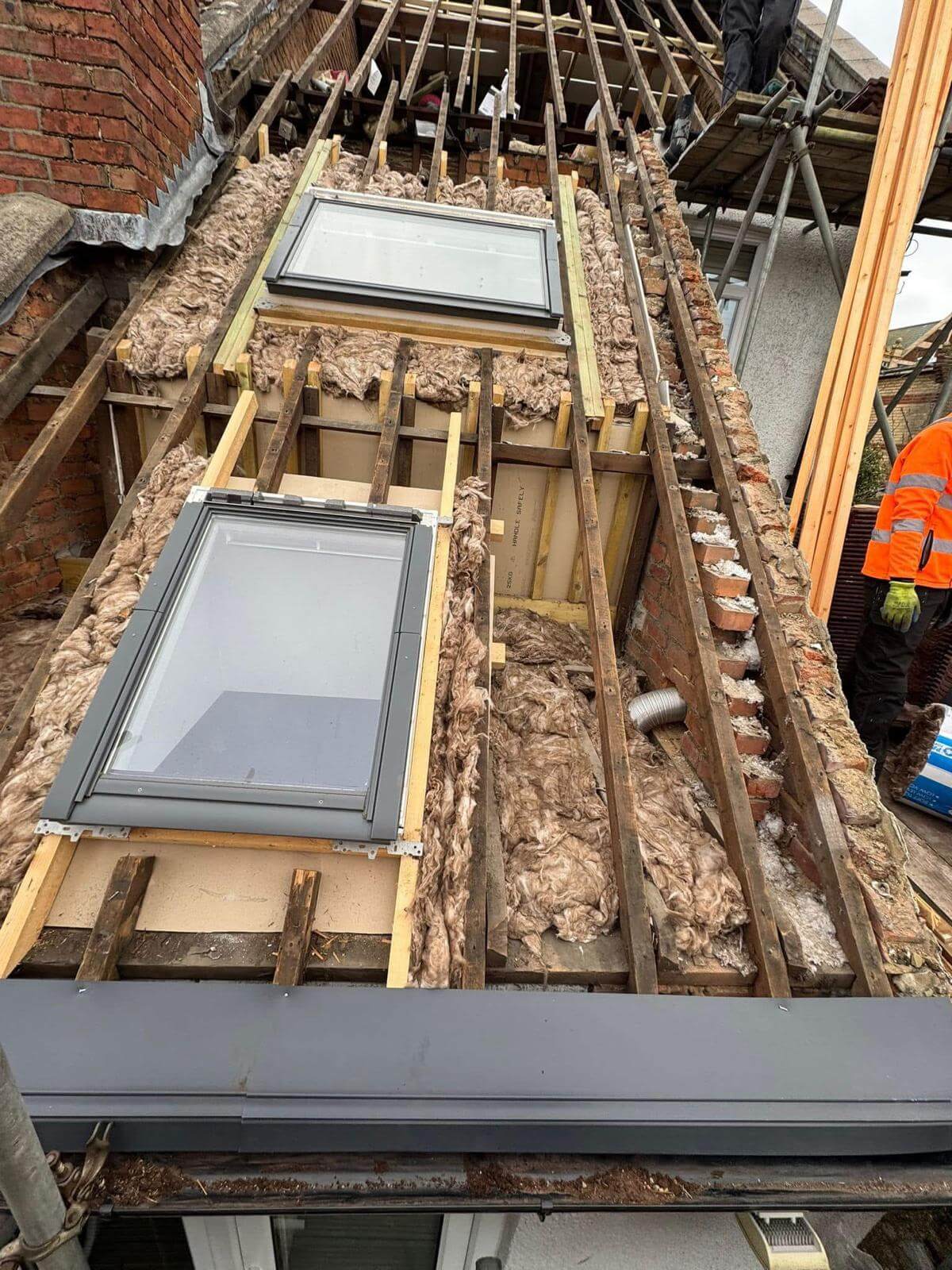
Once we know what we're dealing with, we give a fixed price before touching anything. If the repair is straightforward — one or two slates, a section of flashing, a cracked ridge tile — that's usually a same-visit job. If we find something bigger once we're up there, like rot in the timber underneath, we stop, show you what we're looking at, and requote before continuing. Nothing gets added to a bill you haven't agreed to first.
What We Check Before We Call It Fixed
The difference between a repair that lasts and one that's back on the call list in six months usually comes down to what gets checked and what gets skipped.
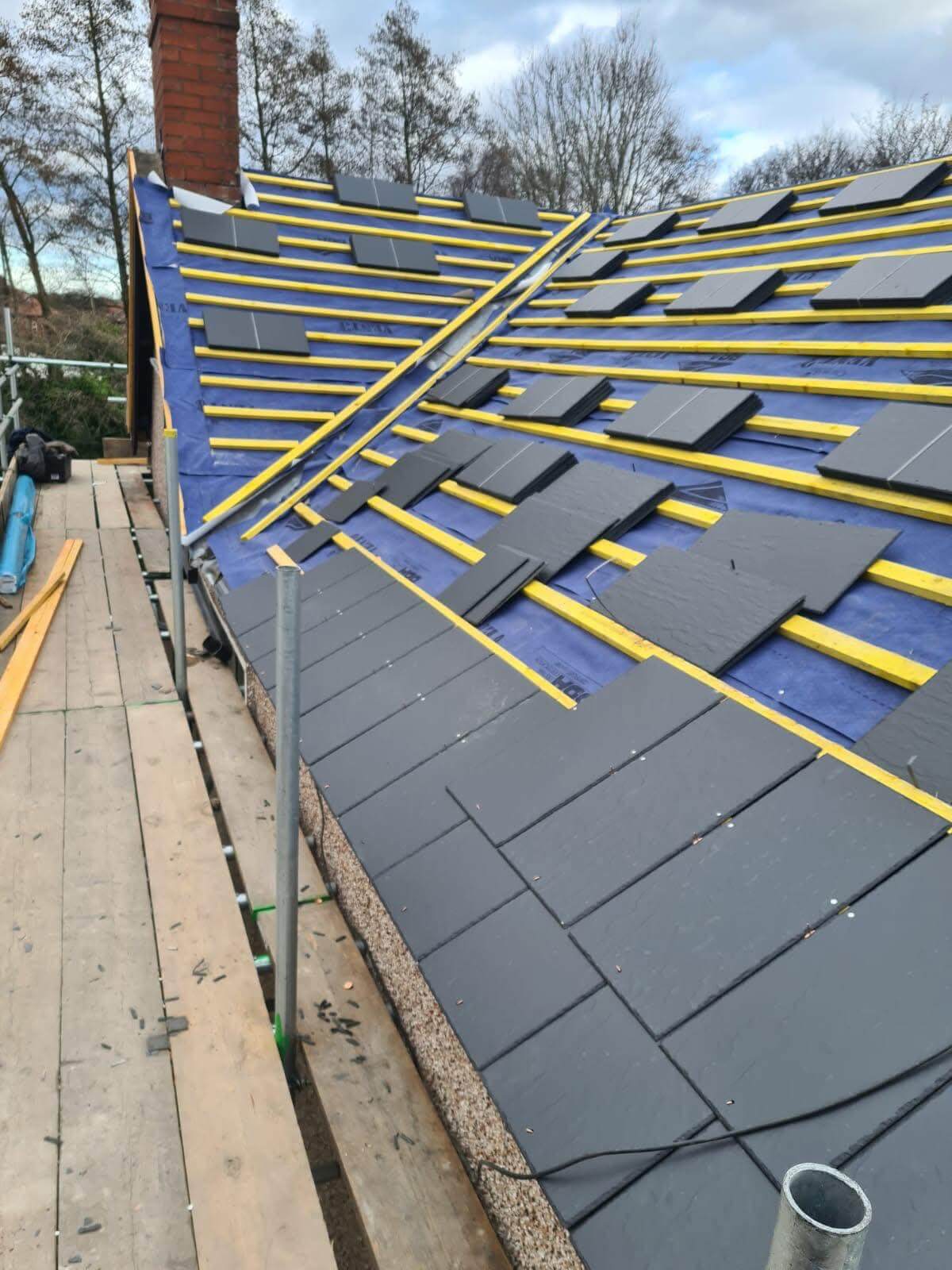
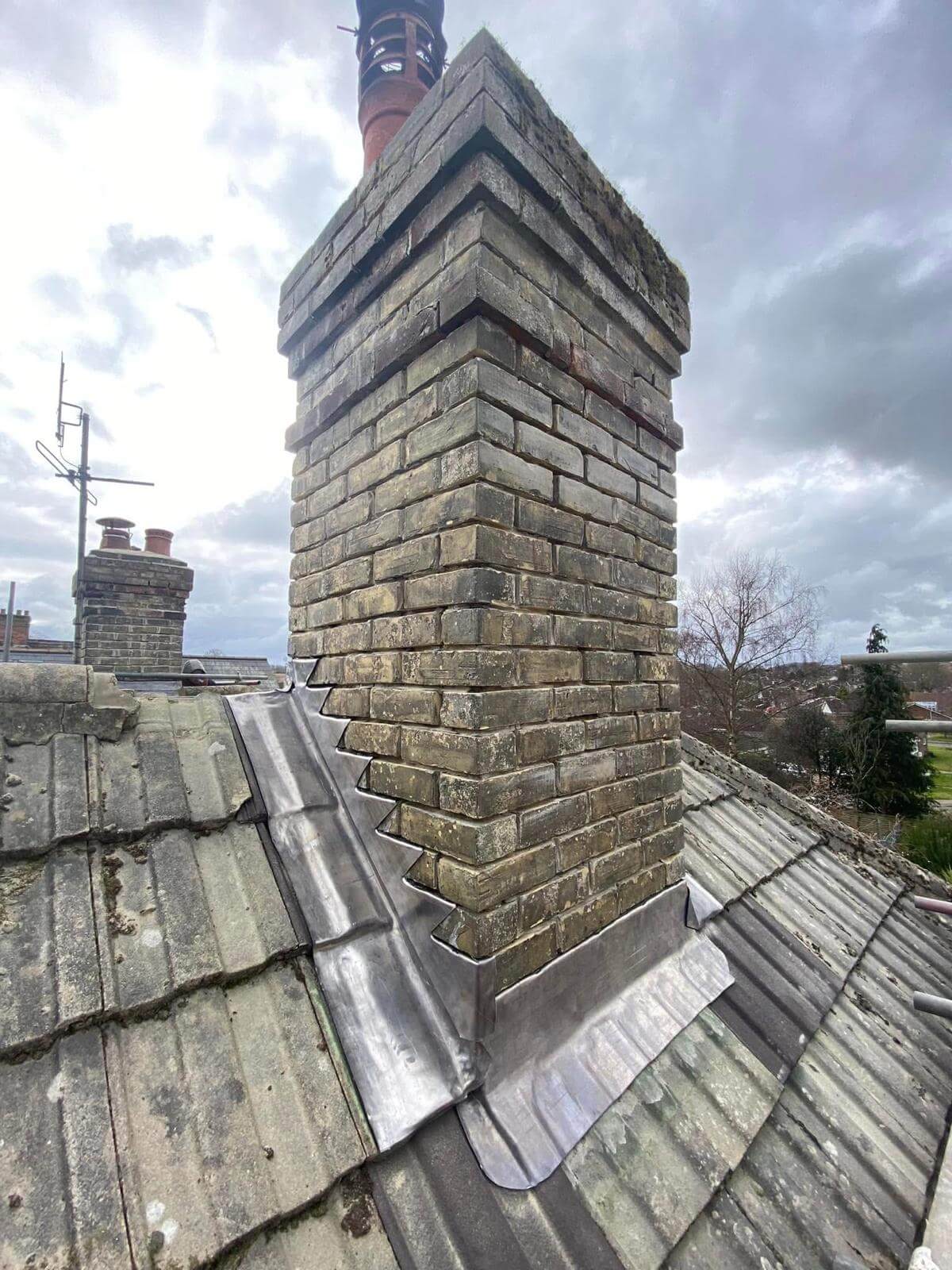
A corner-cut repair replaces the visible slate and moves on. A proper one checks the batten and felt underneath that slate for damage, confirms nearby slates weren't loosened by the same event, and — critically — checks the flashing at the nearest junction (chimney, valley, or abutment), because a huge share of leaks that look like a slate problem are actually a flashing problem a few feet away.
We also check whether the fixing method itself is the underlying issue — nail sickness on an old roof isn't fixed by replacing one slate with a new nail; it's a sign the whole roof's fixings are reaching end of life, and we'll tell you that honestly rather than repair around it indefinitely.
Why Roofs Fail Differently Across Tipperary
Not every repair call in this county has the same cause, and where the property sits usually tells us most of it before we've even looked.
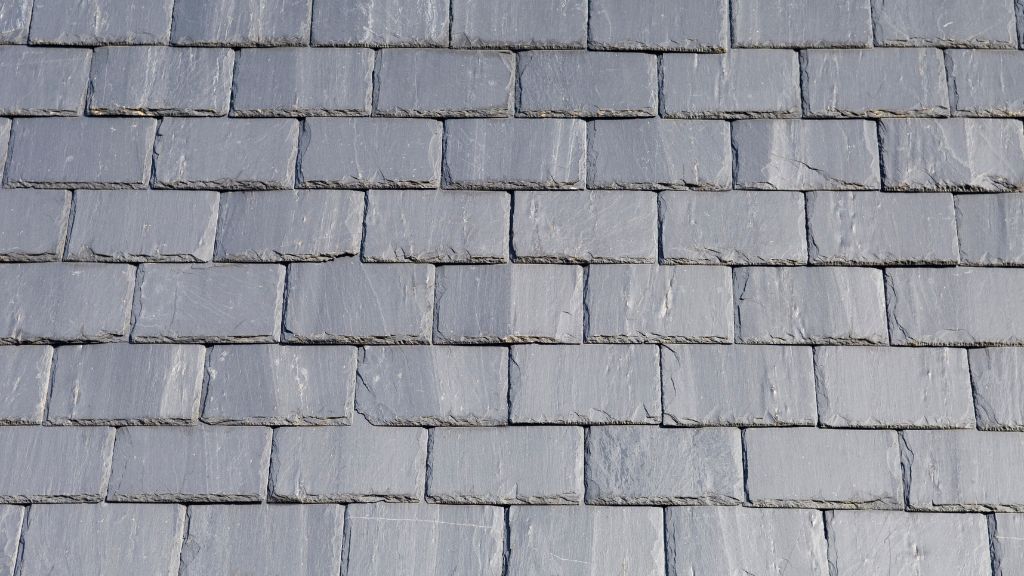
Older slate roofs in towns like Cashel, Cahir, and Clonmel — particularly on terraced or period housing — commonly fail from nail sickness: the original fixing nails corrode over decades until they simply let go, and slates that look otherwise sound start sliding or dropping in ones and twos. In conservation areas, there's also a constraint that doesn't apply everywhere else — like-for-like repair matters, and swapping in whatever slate is easiest to source can be a problem, not just a cosmetic mismatch.
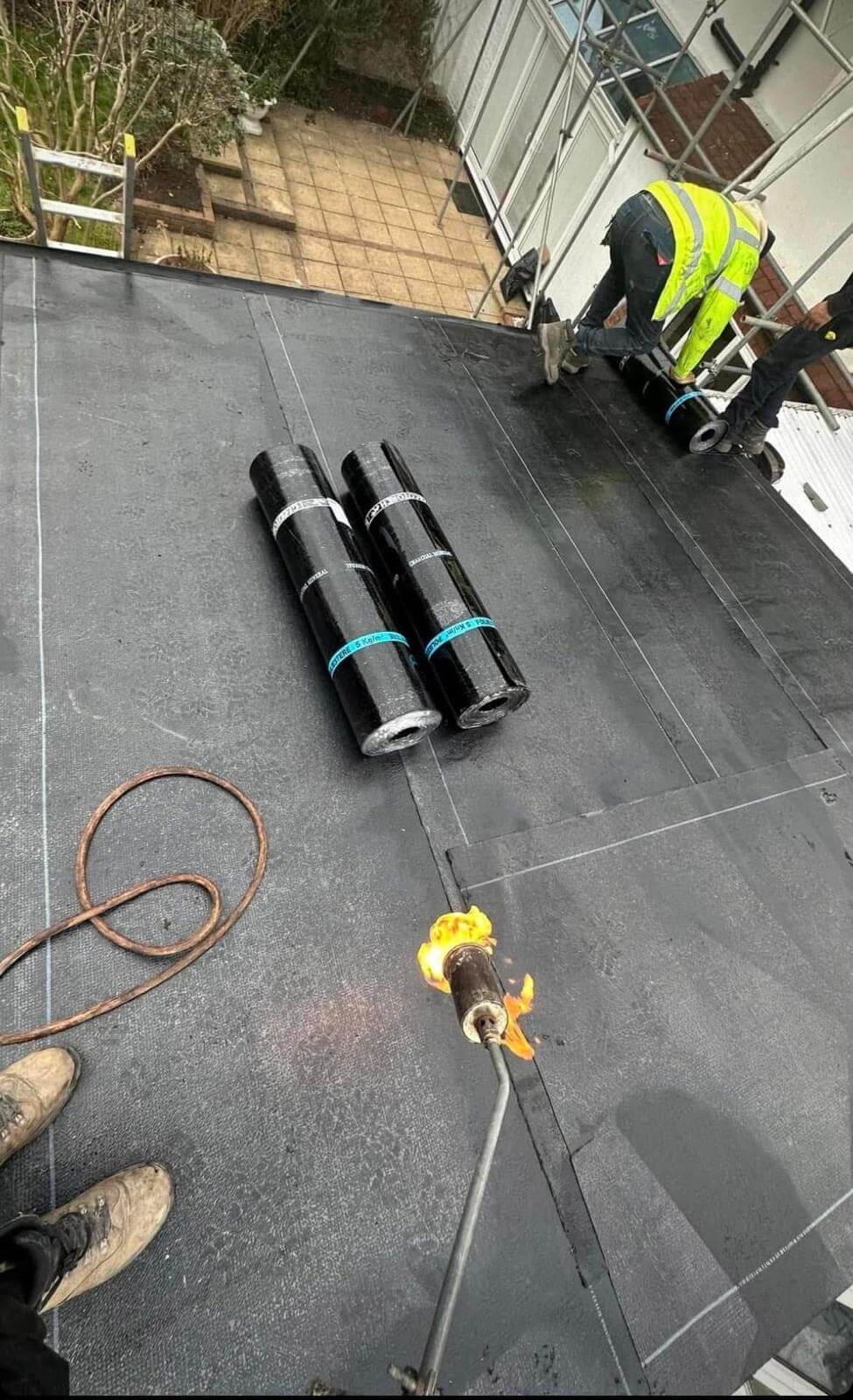
Newer estates around Nenagh and Thurles tend to run into different issues — concrete tiles that have gone brittle with age, dry-ridge systems that were never properly bedded to begin with, and flat-roof extensions that were an afterthought on the original build and start failing well before the main roof does.
Exposed, higher ground around the Silvermines and Lough Derg takes wind straight on, so storm damage and ridge failure show up here more than anywhere else in the county — a roof that would hold fine in a sheltered valley gets tested a lot harder up there.

Got a Leak in Your Roof in Tipperary?
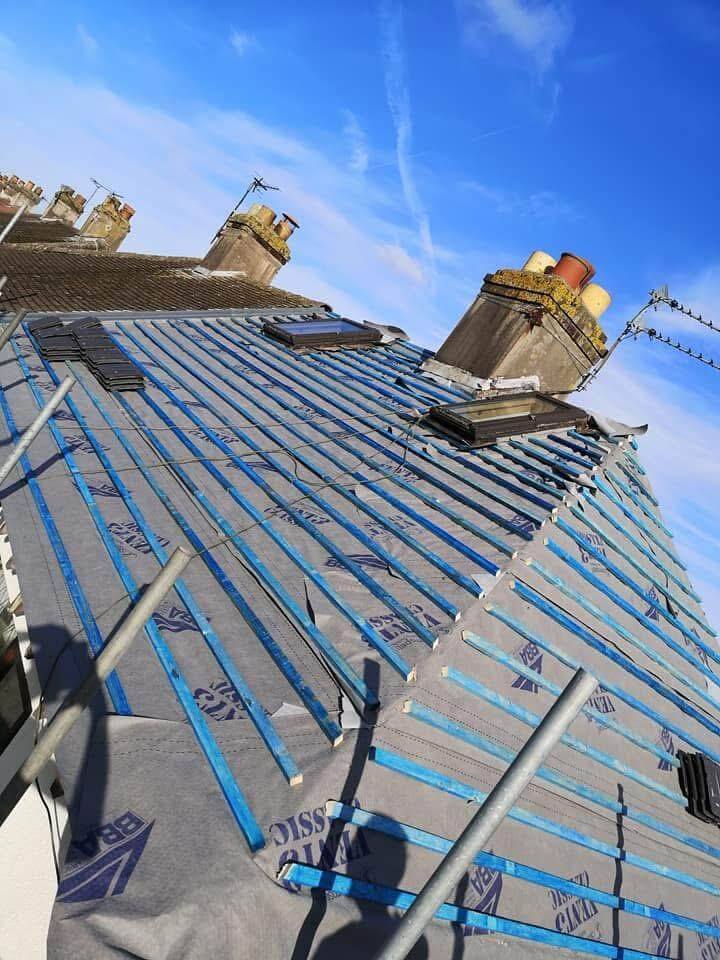
Photos Of Our Recent Roofing Jobs
Questions We Get About Roofing Repairs
Is it worth calling someone out for just one slipped slate, or should I wait until there's more damage?
Worth calling now. One slipped slate is a cheap, fast fix — the same slate left through a few more storms often takes the felt and batten underneath with it, turning a same-visit repair into a bigger job.
How do I know if it's actually a roof leak, or something else like a valley or chimney?
You often can't tell from inside the house — a stain under a chimney breast is just as likely to be flashing as it is the roof covering. That's exactly why we inspect the whole junction, not just the ceiling stain's rough location, before quoting.
My roof is older — will you push me toward a full replacement instead of just repairing it?
No. If the covering's sound and the problem is localised, a repair is the cheaper and correct call, and that's what we'll recommend. Replacement only gets suggested when the roof's genuinely past patching — repeated failures across multiple areas, widespread nail sickness, or timber that's gone.
Can you do a temporary fix now and a proper repair later, if it's urgent?
Yes, where it makes sense — for example, sheeting over active storm damage to stop water ingress immediately, with the permanent repair scheduled once materials are sourced or the weather clears.
Will the repaired area look obviously different from the rest of the roof?
Not if we can help it. We source matching slate or tile where possible, rather than defaulting to whatever's easiest to get — a mismatched patch is often more visible, and more likely to weather differently, than the original roof.
Any Questions?
Ask Us
What Actually Affects the Price Of Repairing Your Roof
Three things move a repair quote up or down. Scope is the first and biggest — one slipped slate is a different job to storm damage across a full slope.
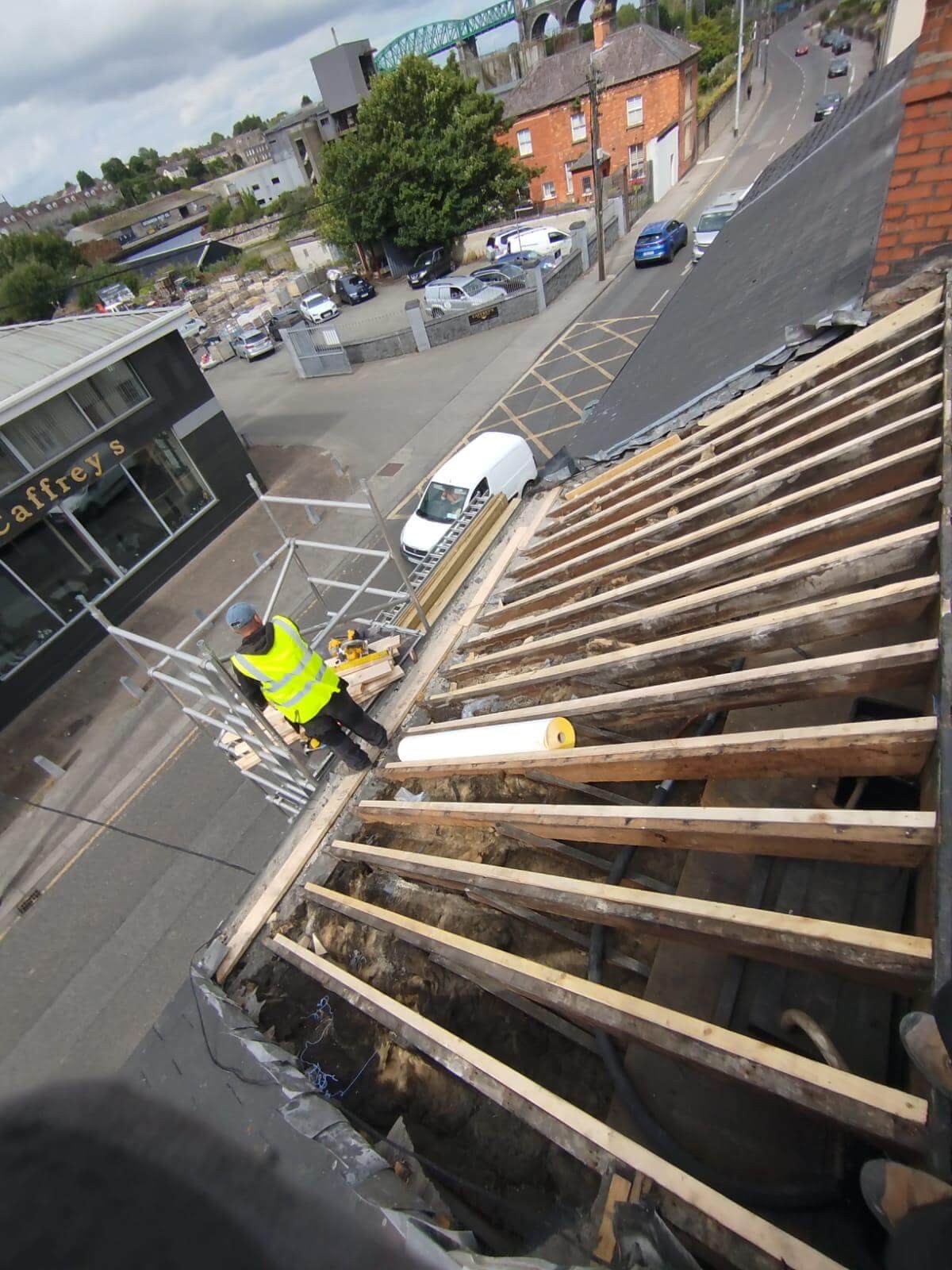
Access is the second — a repair on a steep pitch, a high gable, or a tight site with no clear ladder access takes longer to do safely than a straightforward two-storey semi-detached roof, and that time is reflected in the price.
What's found once we're up there is the third — if the covering's damaged but the timber and underlay are sound, it's a clean repair; if there's rot, degraded felt, or nail sickness across a wider area than the visible damage suggests, the scope changes, and we tell you that before continuing, not after.
More Roofing Services We Offer In Tipperary