Roof Inspections Tipperary: A Proper Survey, Not a Look From the Ground
Why This Matters More in Tipperary Than It Might Elsewhere
Older housing stock hides more than it shows. Period and terraced properties in towns like Cashel, Clonmel, and Cahir often carry natural slate roofs 50 to 80+ years old — exactly the age where nail sickness and hidden flashing failures become real risks, and neither shows up from the ground or in a standard survey.
Rural and farmhouse purchases raise a different question entirely — the roof covering might look fine, but the real issue on an older stone-built farmhouse is often the condition of the timber structure underneath, which only becomes clear with attic access and someone who knows what they're looking at.
Storm damage assessment is its own common reason for a call — properties on more exposed ground around the Silvermines and North Tipperary generally take a harder hit in wind events, and a written, photographed inspection is exactly what an insurance claim needs, not a verbal "yeah, it took some damage."
What a Proper Roof Inspection Actually Involves
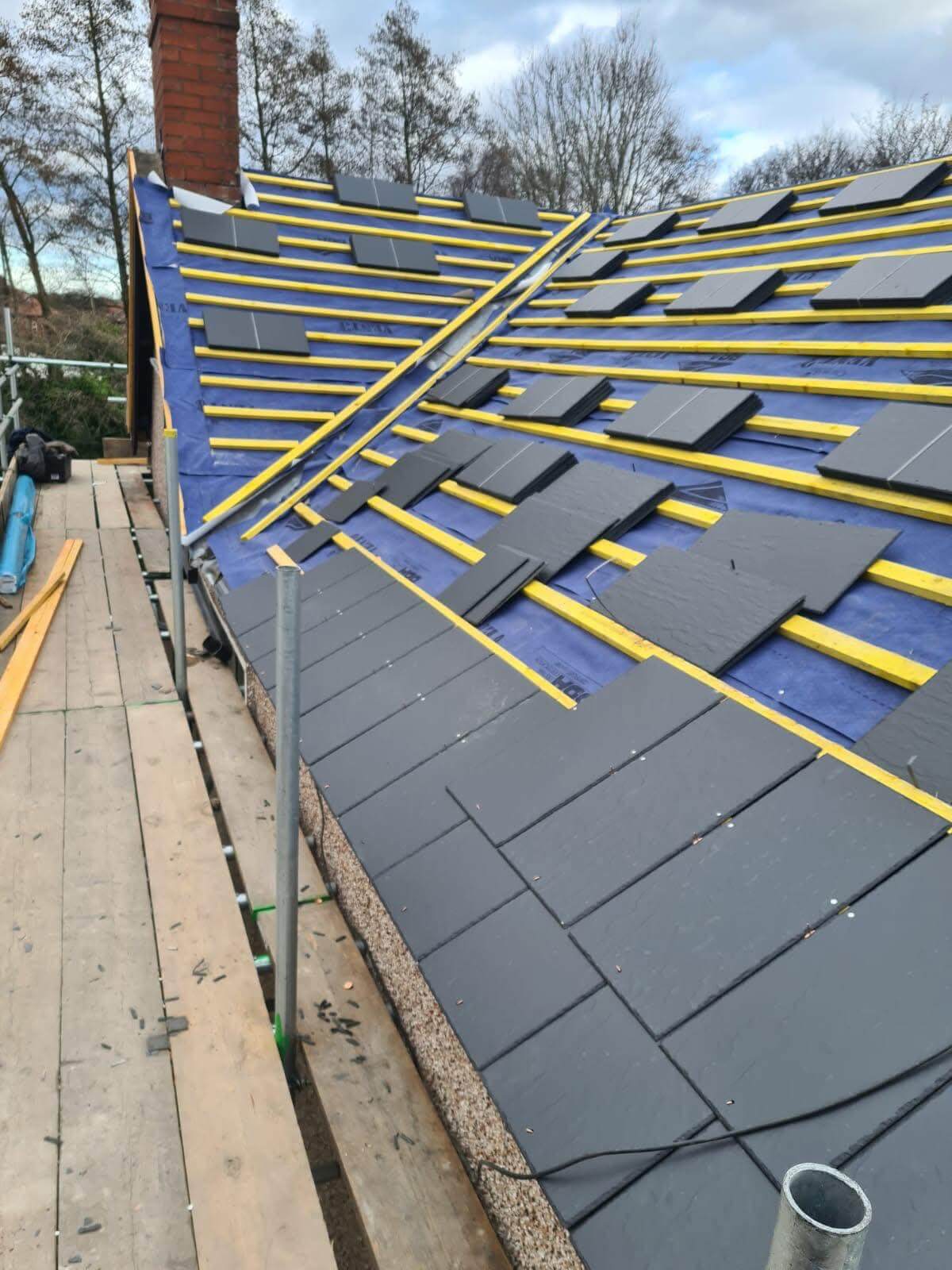
We physically get onto the roof, not just look at it from the ground or from photos — you cannot properly assess flashing condition, ridge tiles, or slate fixing from a distance.
On the exterior, we check the roof covering itself (slates, tiles, or other material) for damage, wear, and signs of nail sickness or delamination; flashing condition at every chimney, valley, and abutment; the state of the chimney stack, pointing, and flaunching; and gutters, fascia, and soffits, since roofline condition often reflects roof condition generally.
Where attic access exists, we go up and check the timber structure, underlay condition, insulation, and ventilation, and look for staining or damp that points to a leak source not visible from outside. Everything gets documented with photos as we go, and you get a written report afterward — not a verbal "looked fine to me" on the doorstep.
What Separates a Proper Inspection From a Box-Ticking One
The clearest tell is whether the inspector actually gets on the roof, or assesses it from the ground and calls it done — a huge share of genuine roof problems (flashing failure, hidden nail sickness, timber condition) are completely invisible from below.
The second is whether you get an actual written report with photos and prioritised findings — urgent, needs monitoring, cosmetic — versus a vague verbal summary you can't show to a solicitor, an insurer, or the person you're buying the house from.
A report you can actually use in a negotiation or a claim is the whole point of paying for a specialist inspection rather than relying on what a general survey briefly mentioned.

Book a Roof Inspection in Tipperary
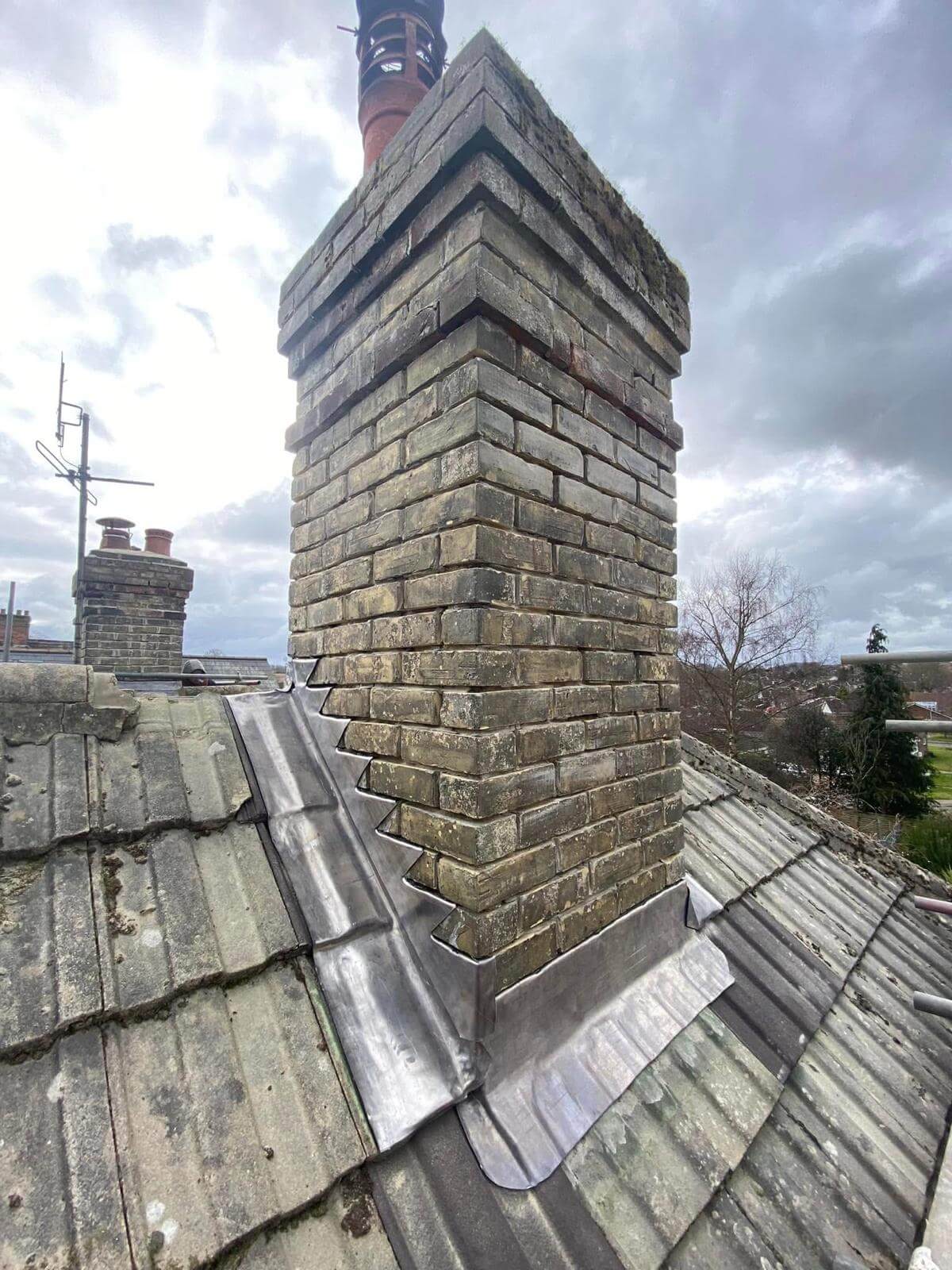
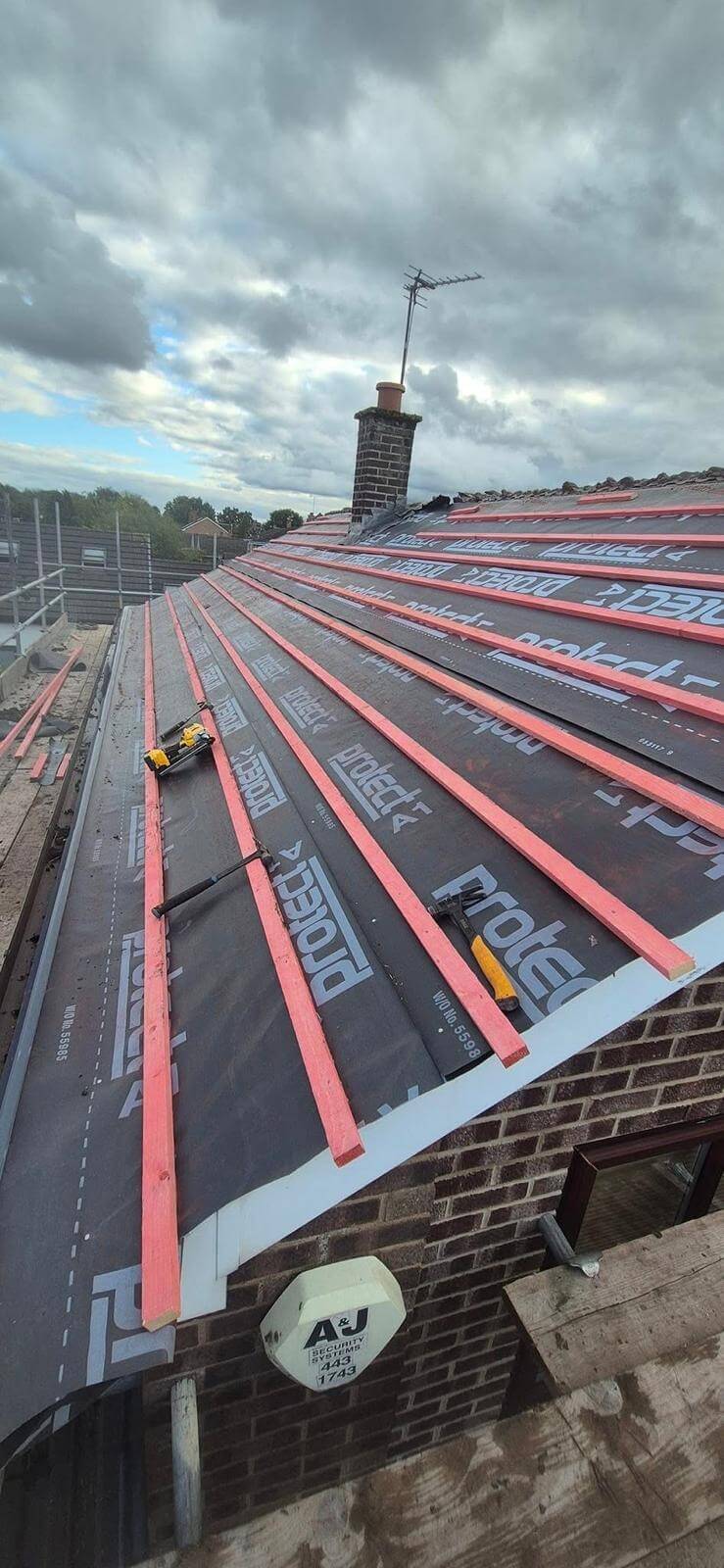
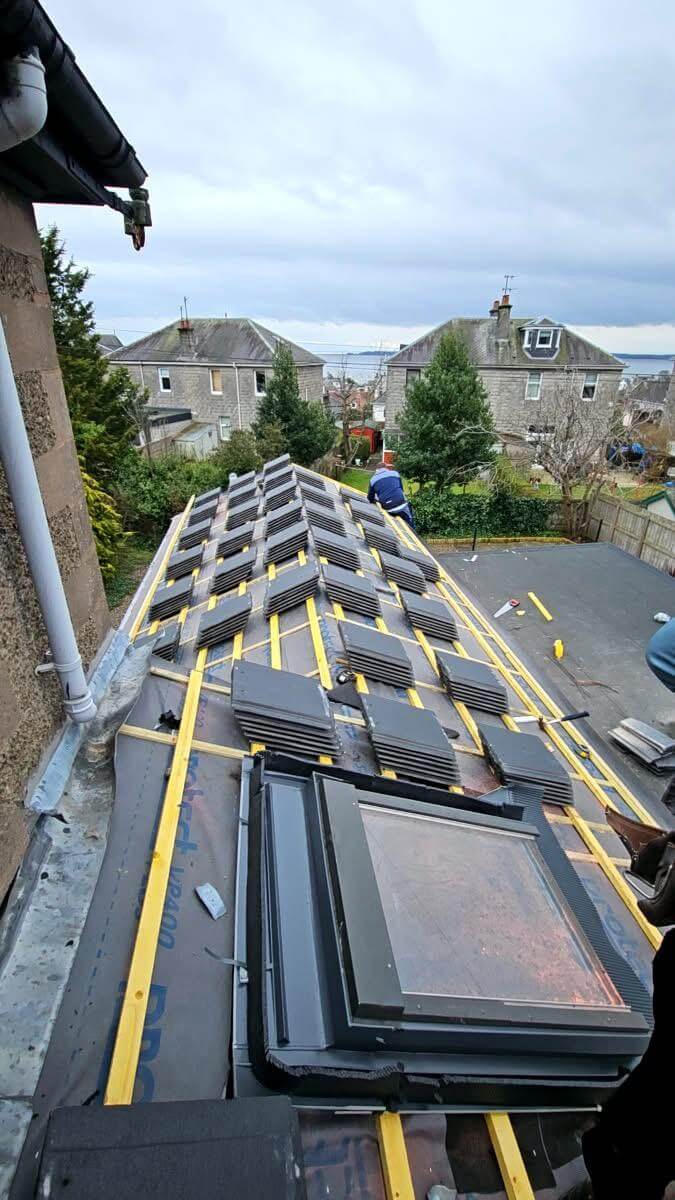
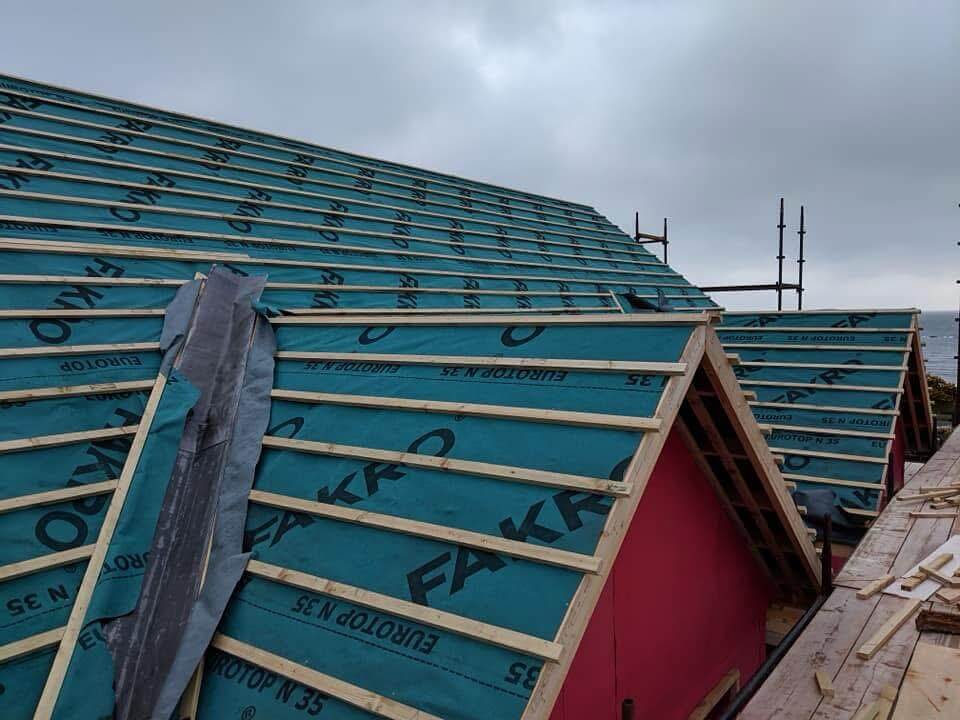
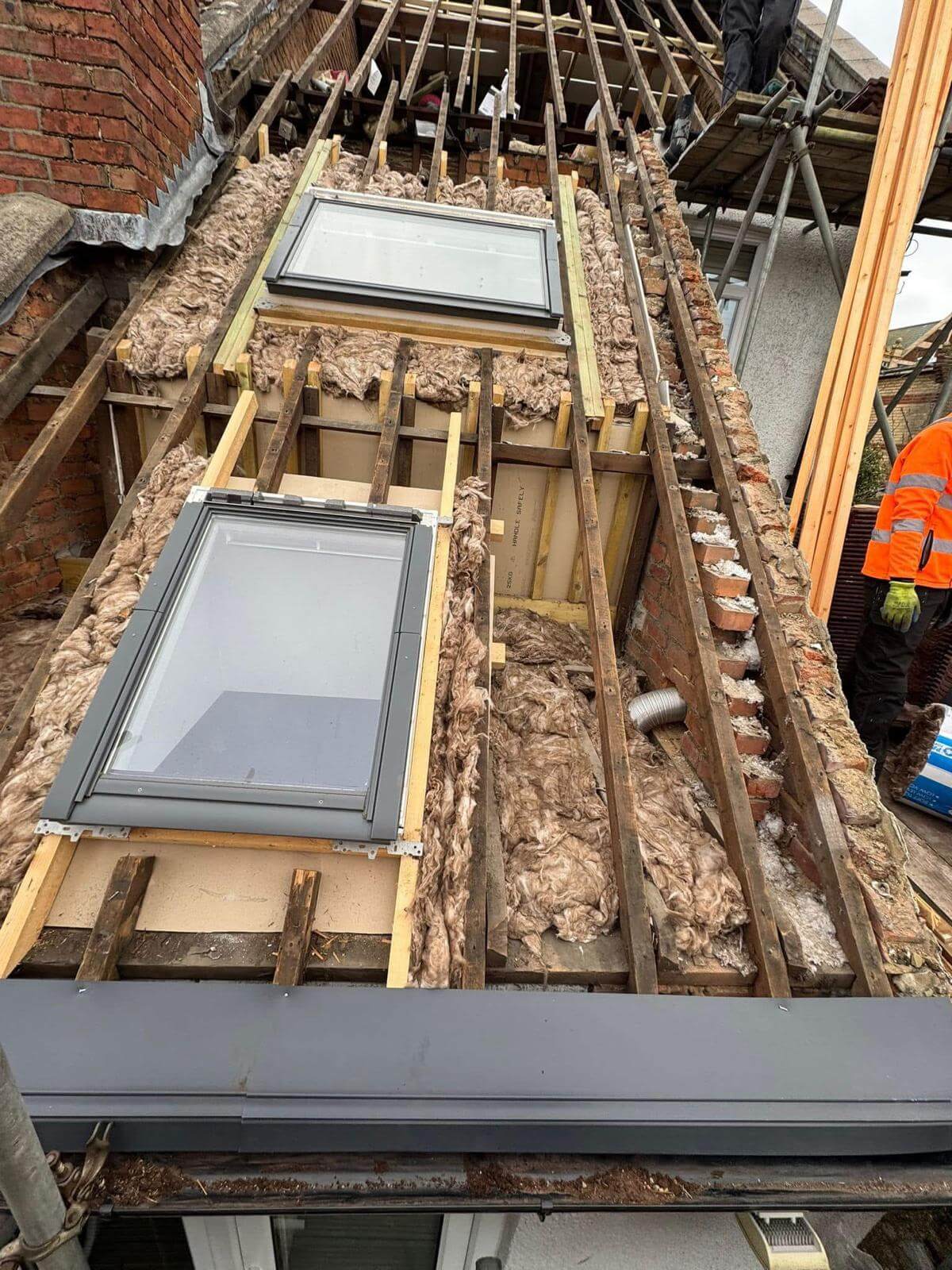
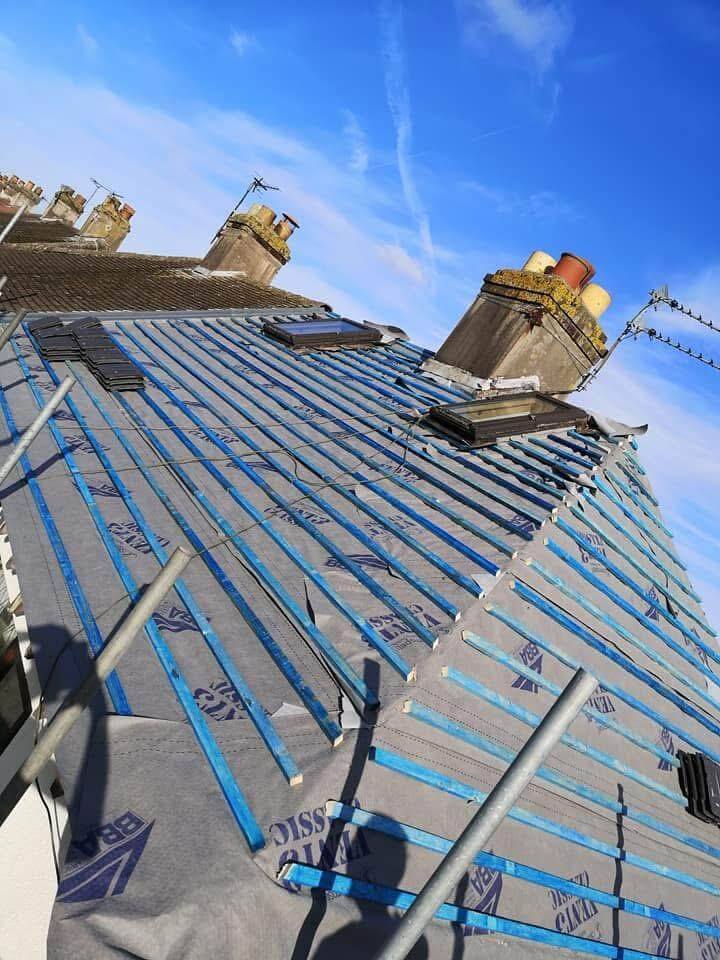
Photos Of Our Recent Roofing Jobs
Questions People Ask About Roof Inspections
Isn't this the same as the survey I'll get when buying a house?
Not really. Standard house surveys assess the roof largely from ground level and often explicitly recommend a specialist inspection if anything looks uncertain. A dedicated roof inspection gets onto the actual roof and into the attic where possible — the detail a general survey usually can't provide.
Can I use your inspection report for negotiating on a house I'm buying?
Yes, that's one of the most common reasons people book this. A written, photographed report giving specific findings is far more useful in a price negotiation than a vague verbal comment from a general surveyor.
How long does a roof inspection take?
Depends on the property, but most domestic inspections run from around 30 minutes to a couple of hours, with attic access and larger or more complex roofs taking longer.
Will you tell me it needs work even if it doesn't, just to get a job?
No — an inspection that always finds "urgent" work regardless of actual condition isn't worth paying for, and it damages trust fast in a small county where reputation matters. We report what we actually find, prioritised honestly, whether that's "nothing concerning" or a genuine list of issues.
Can this be used for an insurance claim after storm damage?
Yes — a written report with photos documenting the damage and likely cause is exactly what insurers generally want to see, and having it done properly and promptly after a storm event helps rather than hurts a claim.
Any Questions?
Ask Us
Why a Standard House Survey Often Isn't Enough
If you've bought a house recently, you've probably had a Level 2 or Level 3 survey done — and you may not realise how limited the roof section of that survey actually is. RICS-style surveyors typically assess a roof visually from the ground or from a ladder up to a few metres, and very often can't get onto the roof itself or into the attic properly.
That's not a criticism of general surveyors — it's just not what their survey is designed to do. It means a huge amount of roof condition — flashing, ridge condition, timber underneath, the state of a chimney stack — goes unassessed in a standard property survey, and shows up as a vague line like "recommend specialist inspection" buried in the report.
That line is the reason this service exists.
More Roofing Services We Offer In Tipperary