New Roofs & Roof Replacements Tipperary
How Our Roof Replacement Actually Works
- Full inspection first. Before we quote anything, David gets up on the existing roof to assess the covering, the timber structure underneath, and the extent of any damage. This is the step some contractors skip in favour of a phone estimate — and it's the reason those estimates so often change once work starts.
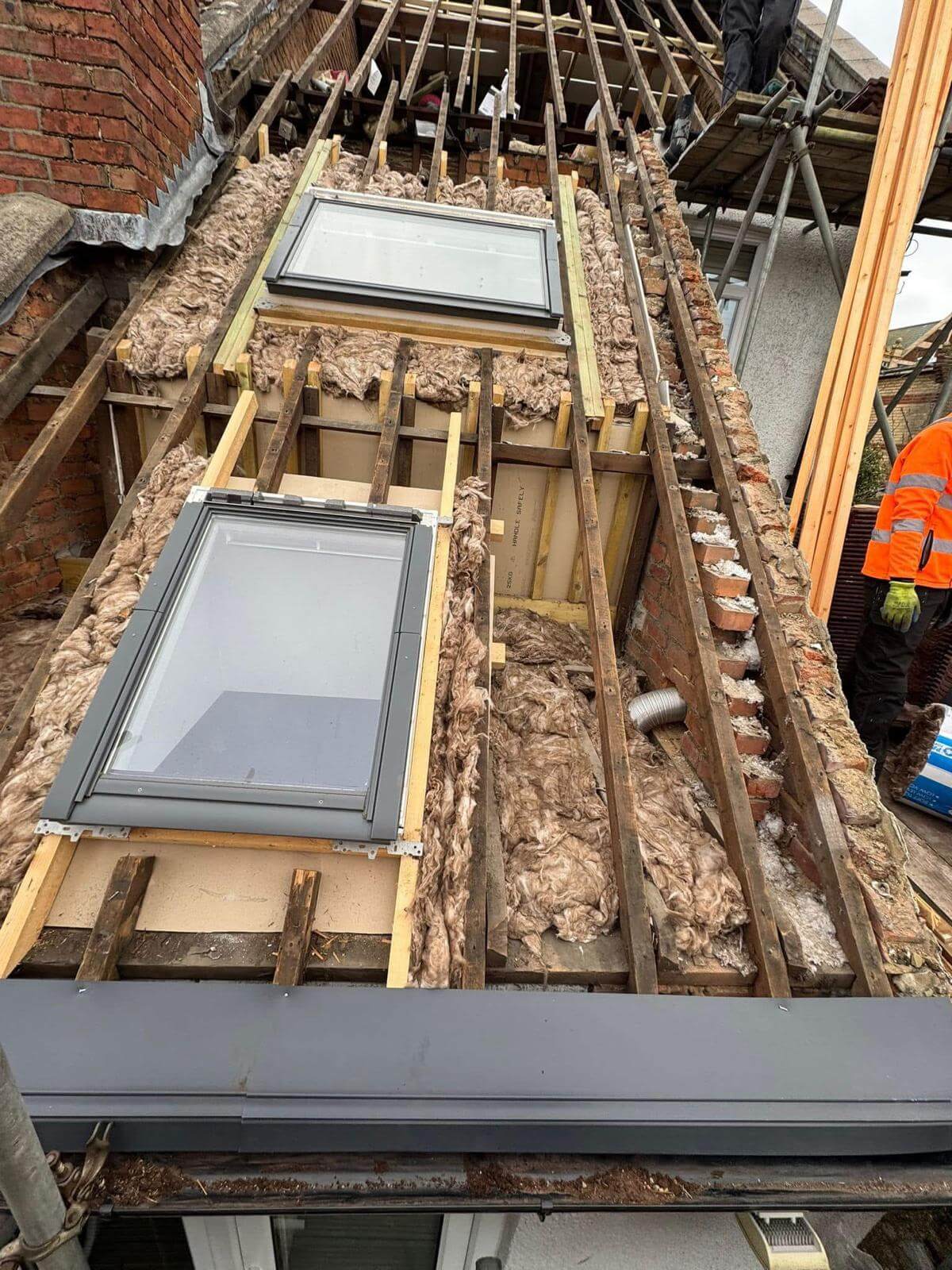
- Strip back to the timber. The existing covering, underlay, and battens come off, exposing the rafters and roof structure. This is where the real condition of the roof gets confirmed — sound timber means a straightforward re-cover; rot or movement means additional structural work, which we'll show you and requote for before continuing.
- Repair or replace structural timber as needed. Any rafters, purlins, or sarking board that have degraded get addressed at this stage — covering over a compromised structure just moves the problem underneath a new roof.
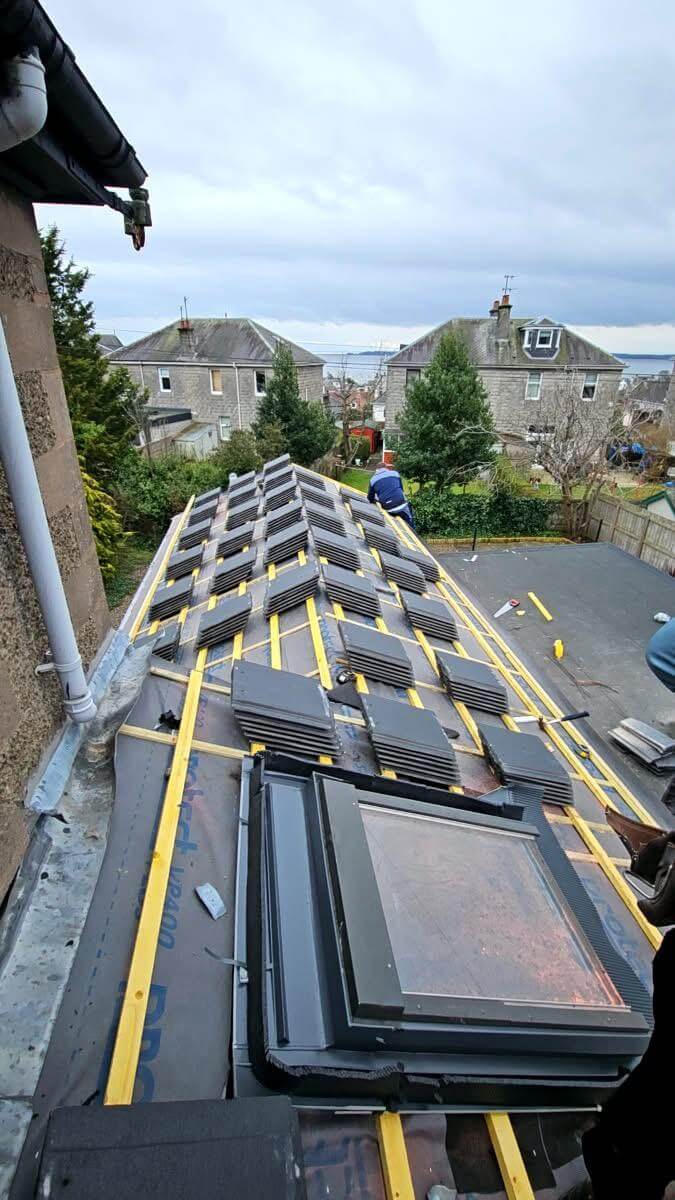
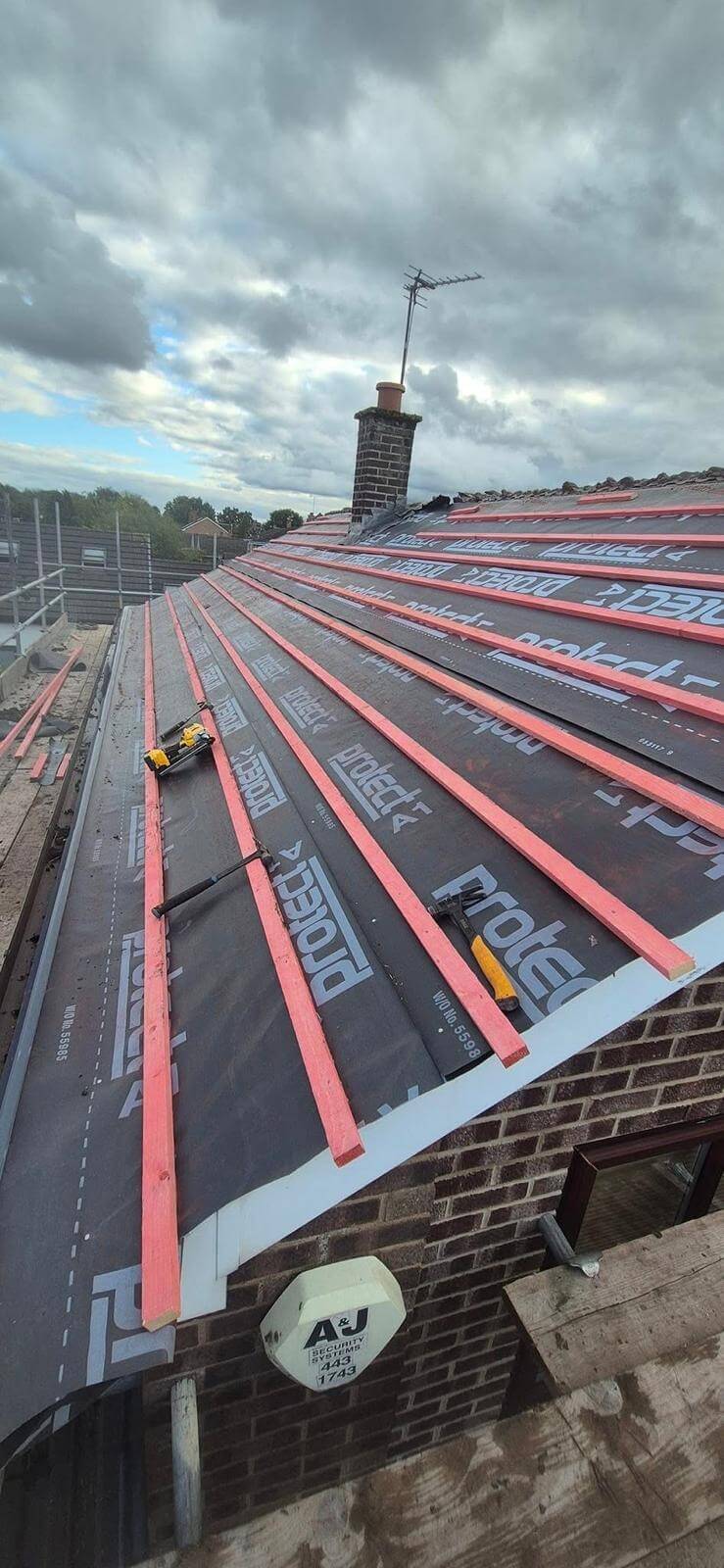
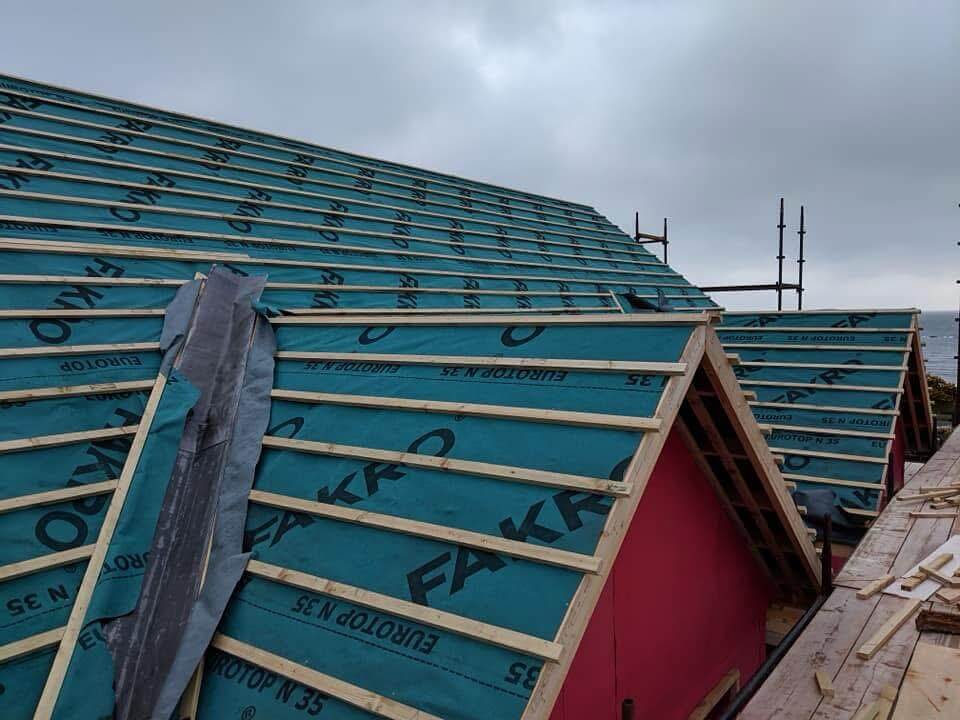
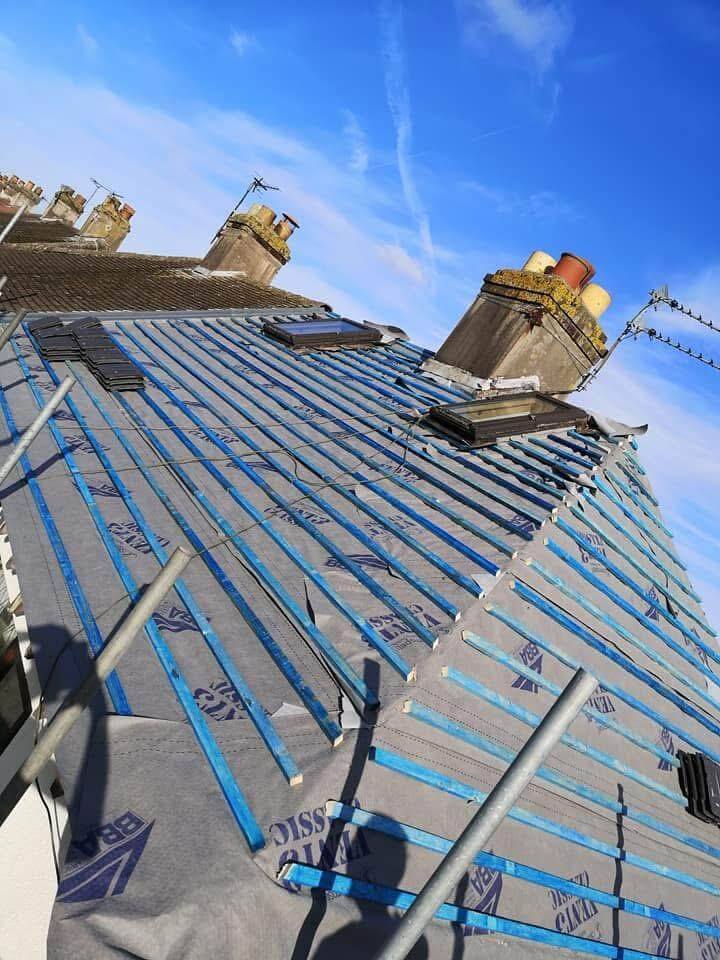
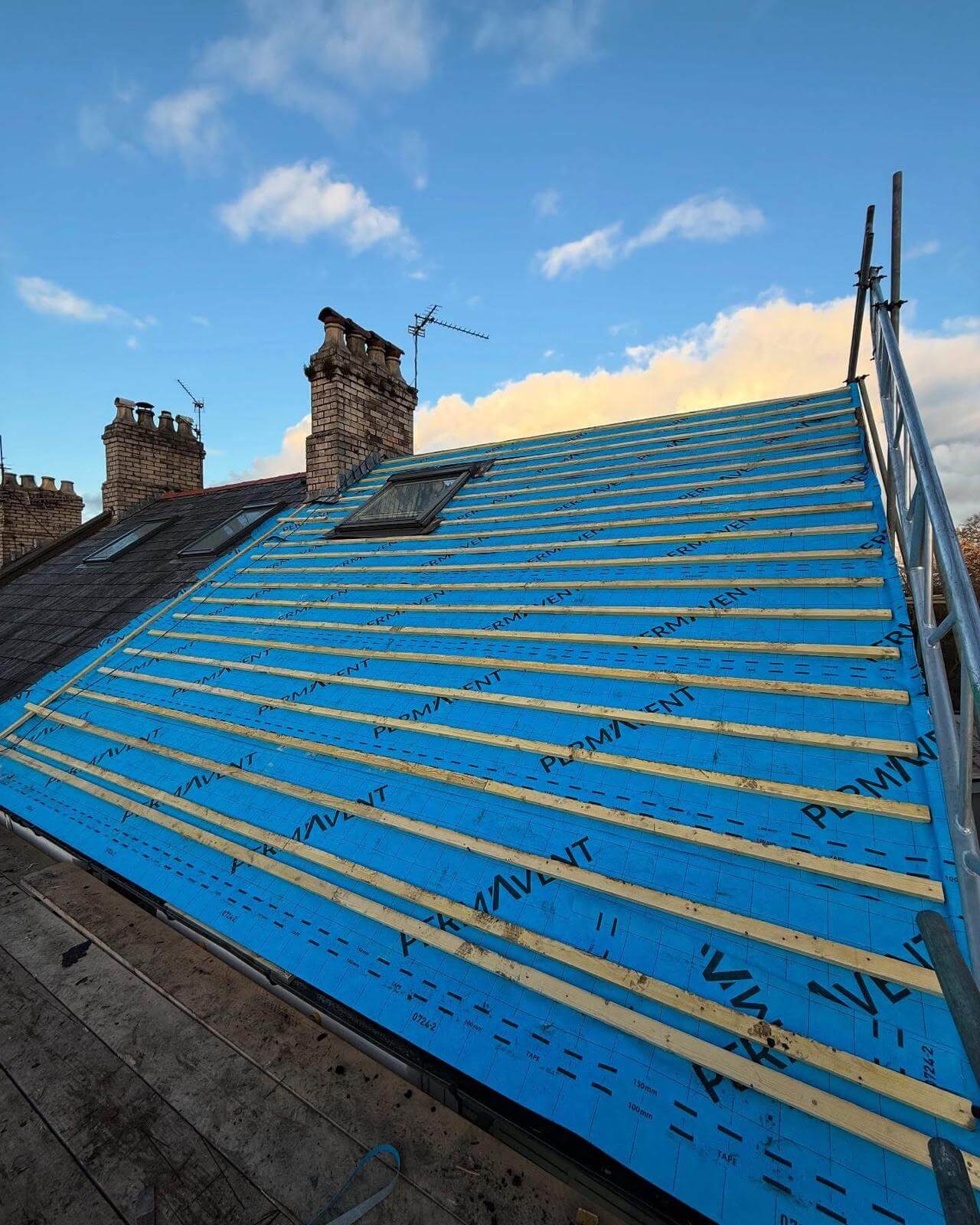
- Install breathable membrane and battens. A modern breathable membrane is fitted to manage moisture from inside the roof space, replacing older non-breathable felt that can trap condensation and cause its own timber problems over time.
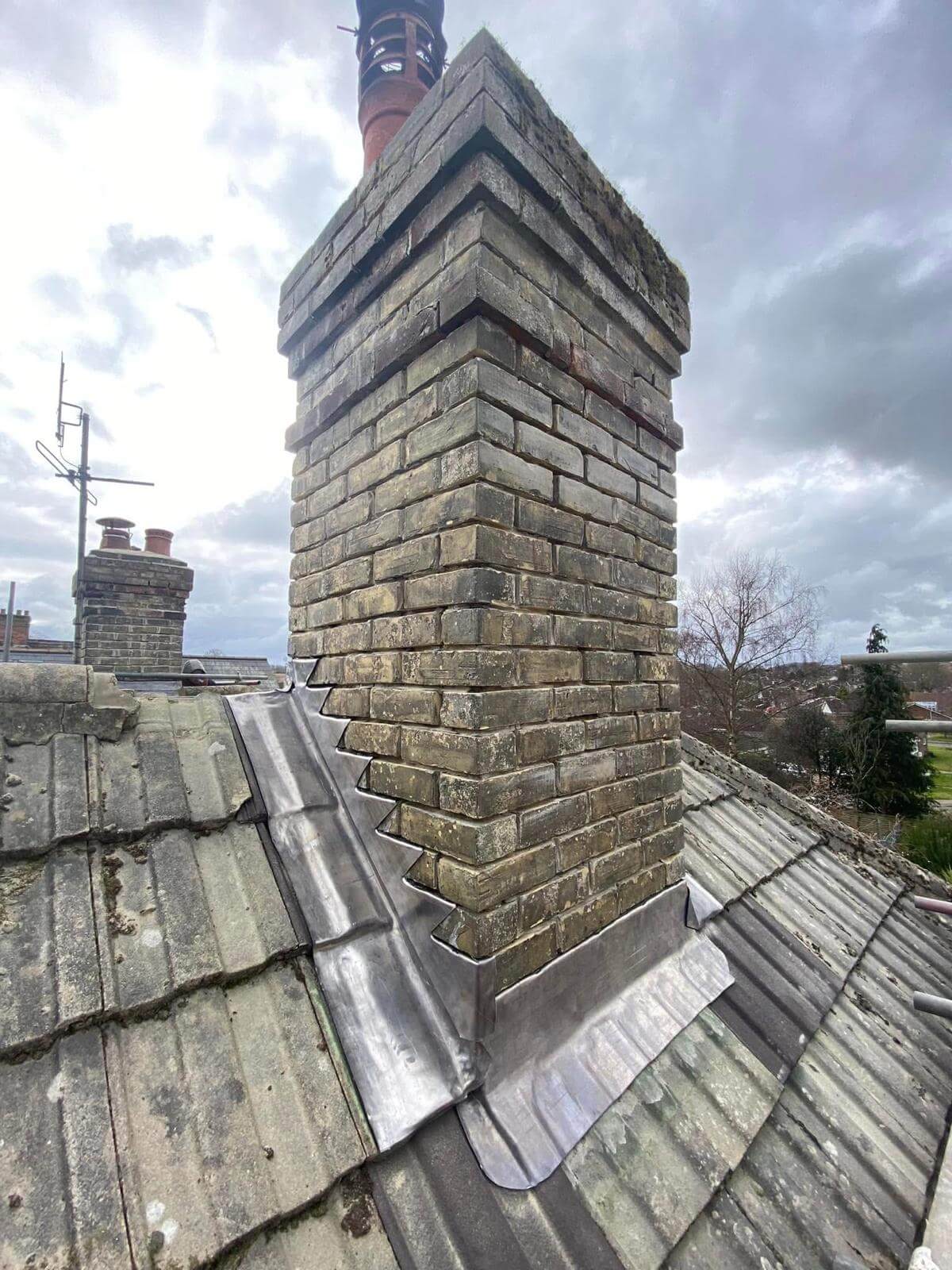
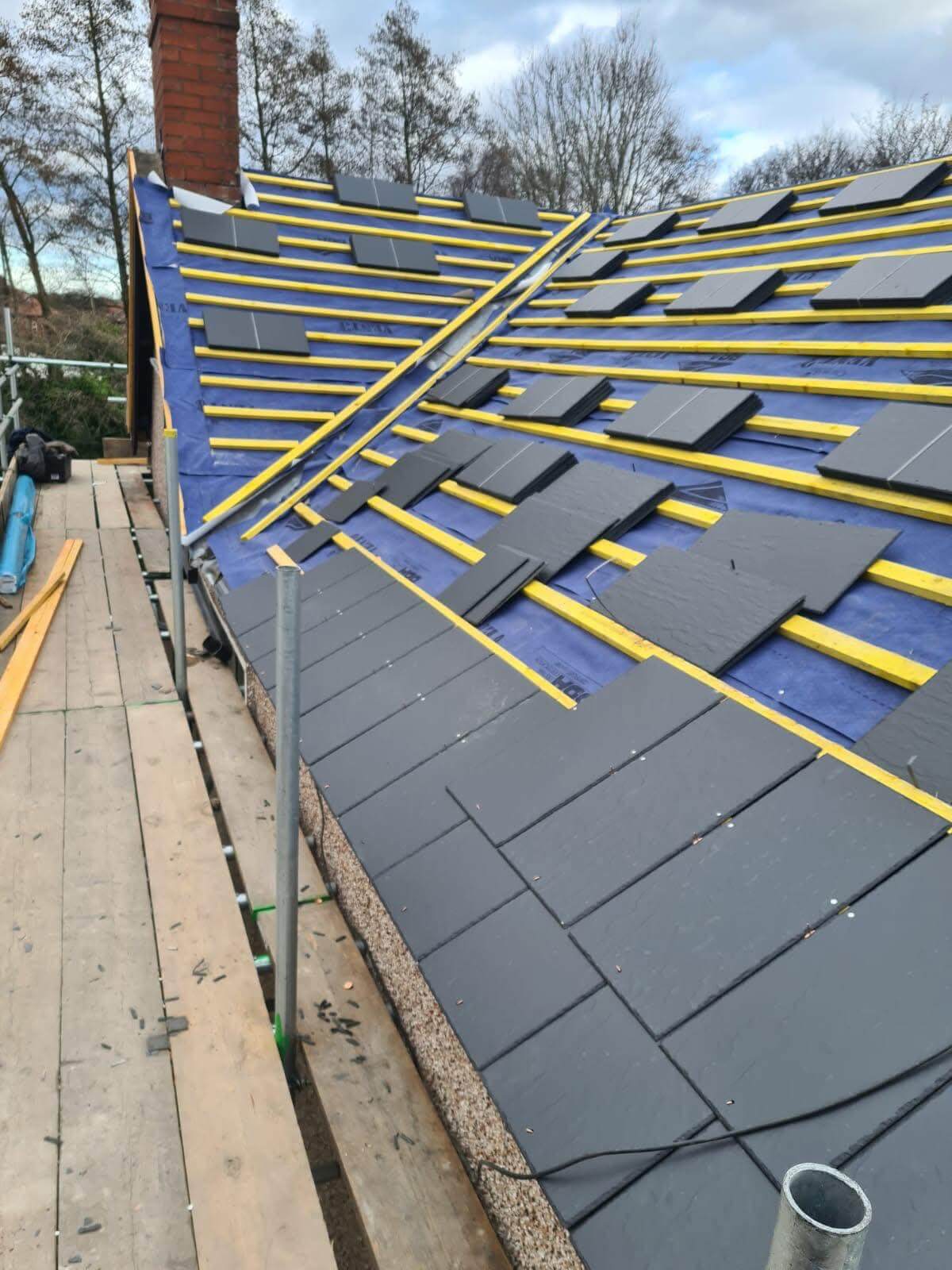
- Fit the new covering. Slate, tile, or metal, laid to the correct spec for the pitch and property — including correct flashing at every chimney, valley, and abutment, not just the open roof areas.
- Dry-ridge and finishing details. Ridge and hip tiles are dry-fixed rather than simply mortar-bedded where appropriate, which holds up better over time than older bedding methods that crack and let go.
- Final inspection and sign-off. The completed roof is checked before we consider the job done, with the guarantee terms confirmed in writing.
Why It's Full Roof Replacements, Not Just Repairs, in Certain Parts of Tipperary
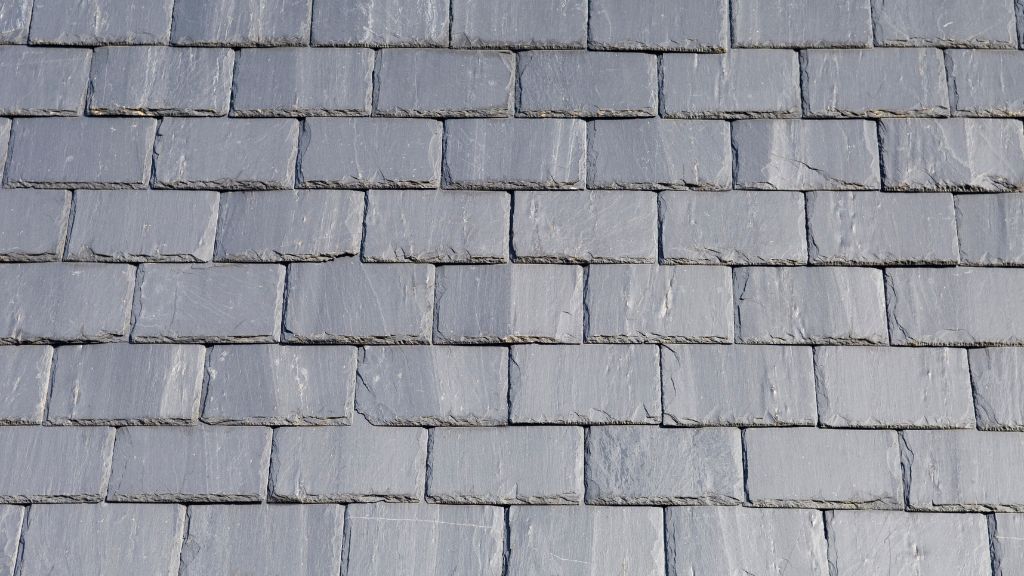
Older period and terraced housing in towns like Cashel, Cahir, and Clonmel often reaches this point through nail sickness — the fixing nails on natural slate roofs corrode over decades until the roof starts losing slates faster than it makes sense to keep replacing them individually. At that stage, a full re-roof (often re-using sound slate where possible, alongside new) is usually the more honest recommendation than an endless string of repairs.
Estates built from the 1970s through the 1990s around Nenagh and Thurles commonly used concrete tiles that have a shorter working life than natural slate, and dry-ridge systems from that era were often installed to a lower standard than what's used today. When these fail, they tend to fail across the whole roof at a similar time, rather than in isolated spots — which is a strong sign it's a whole-roof issue, not a repair job.
Rural and farm properties across the county frequently carry older outbuildings and farmhouse roofs where the original timber structure needs assessing before any decision on covering material — the roof covering might look repairable, but if the rafters or purlins underneath have moved or weakened, no amount of surface repair addresses the actual problem.
What Separates a Proper Re-Roof From a Corner-Cut One
The single biggest tell is whether the old covering actually comes off before anyone quotes a firm price.
A contractor who prices a full replacement from the ground, without stripping back and checking the timber, is either guessing or planning to charge extra once the real condition shows up.
A proper job also checks and correctly specifies the breathable membrane and ventilation — a re-roof done without adequate roof-space ventilation can trap moisture and cause timber problems years later, even though the covering itself looks fine.
And flashing gets fitted properly at every junction, not just dressed by hand and left — poorly fitted flashing is one of the most common causes of a brand-new roof leaking within its first year.

Got a Leak in Your Roof in Tipperary?
Photos Of Our Recent Roofing Jobs
Questions We Get About New Roofs
How do I know if I need a repair or a full replacement?
If the damage is localised and the roof timber and underlay are sound, a repair is the right and cheaper call — that's what we'll recommend. Replacement becomes the honest answer when failures are widespread, repeated, or the roof has reached the end of its material lifespan.
How long does a full roof replacement take?
Depends on roof size and weather, but a standard domestic re-roof typically runs from a few days to around a week. We'll give you a realistic timeline as part of the quote, not an optimistic one that slips once work starts.
What happens to my house while the roof is off?
The roof isn't left exposed overnight — work is sequenced and temporary weatherproofing is used at the end of each working day so the property stays protected until the new covering is complete.
Can you match the existing roof style, or will it look different from neighbouring houses?
Where it matters — particularly on terraced or period housing — we can match slate type, tile profile, or colour to keep it consistent with the surrounding properties, rather than defaulting to whatever's easiest to source.
Do I need planning permission for a roof replacement?
Generally no, if you're replacing like-for-like without changing the roof's structure, height, or materials significantly. If you're considering a material change on a period property or one in a protected structure, that's worth checking before work starts — we can advise based on what we see on inspection.
Any Questions?
Ask Us
What Actually Moves the Price on a nEW rOOF
Roof size is the starting point — a larger roof area needs more material and more labour, straightforwardly.
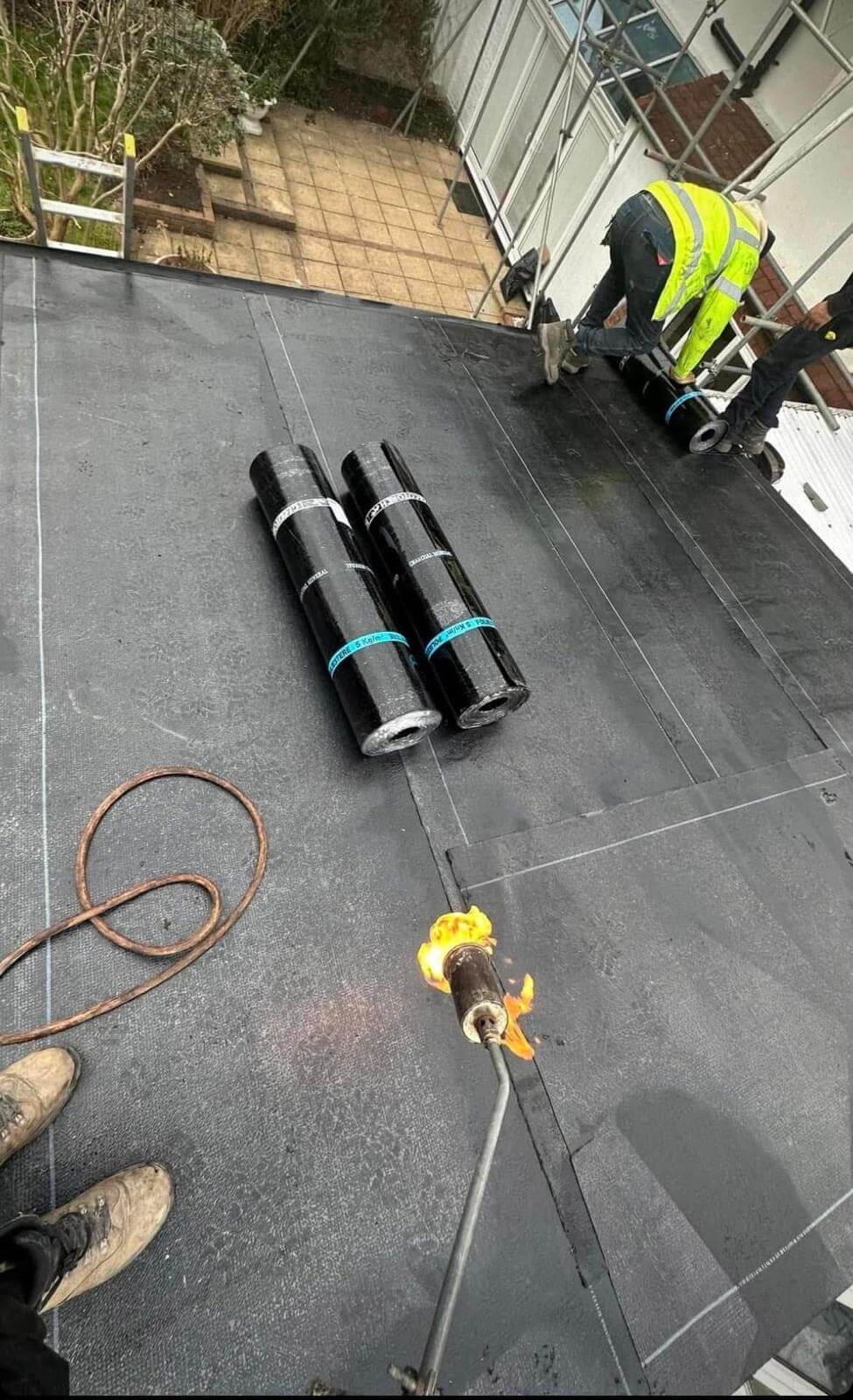
Material choice moves it significantly — natural slate costs more than concrete tile, and both cost more than a basic flat-roof covering, but they carry different lifespans, so the upfront number isn't the whole story.
Structural condition is often the biggest variable of all — if the timber underneath is sound, a re-cover is comparatively straightforward; if there's rot, sagging, or undersized timber that needs upgrading, that adds real cost, and it's usually only visible once the old covering is off.
Access and roof complexity — a simple single-pitch roof on an accessible site costs less to work on than a steep, multi-hip roof with several chimneys and valleys.
More Roofing Services We Offer In Tipperary