
Gutter Repairs Tipperary
What's Actually Behind Most Tipperary Gutter Problems
Blocked gutters and downpipes are the obvious one, and genuinely the most common — mature trees around rural properties and older townscapes across the county mean leaves, moss, and debris build up steadily, and a downpipe blocked lower down can cause overflow along the whole run even if the gutter itself looks clear from the ground.
Incorrect or lost fall. A gutter needs a slight, deliberate slope toward the downpipe — not dead level — so water actually moves along it rather than sitting and finding the nearest gap. Brackets loosen with age, timber fascias move slightly over decades, and a gutter that was correctly pitched when installed can lose that fall over time, especially on older properties.
Sagging brackets and joints. Cast iron guttering — common on older period and town housing in Cashel, Clonmel, and Cahir — is heavy, and the brackets holding it were often fitted decades ago. As they weaken, the gutter sags between fixing points, creating a low spot where water pools and overflows regardless of how clean the gutter is. Newer uPVC systems have a different failure mode — the plastic and rubber seals at the joints perish with UV exposure over the years, and that's where leaks develop even on gutters that look structurally fine.

How We Actually Diagnose a Gutter Problem
We don't assume it's a blockage just because that's the most common cause — we check.
That means clearing debris first if there is any, then running water through the system to see whether it flows properly once clear, checking the fall along the run for low or level sections, and inspecting brackets and joints for movement or sagging.
If a gutter overflows even when clean, the fall or the brackets are almost always the real cause, and no amount of clearing solves that.
On cast iron systems specifically, we check for cracking and rust at the joints, since cast iron can look structurally sound from the ground while actually being close to failure at a joint that's corroded from the inside.
What Separates a Real Gutter Repair From a Quick Clean-Out
Anyone can clear leaves out of a gutter. What matters is whether the fall gets checked, not just assumed to be fine because the gutter "used to work."
A proper repair also traces the fault to a specific bracket, joint, or section rather than defaulting to "we'll clean it and see" — because if the actual cause is a lost fall or a failed bracket, cleaning it buys you a few months at most before the exact same problem is back.
On cast iron, a competent job checks joint condition properly rather than just re-sealing the visible gap, since a joint that's corroding from the inside will fail again regardless of how well the outside gets resealed.

Got a Leak in Your Gutter in Tipperary?
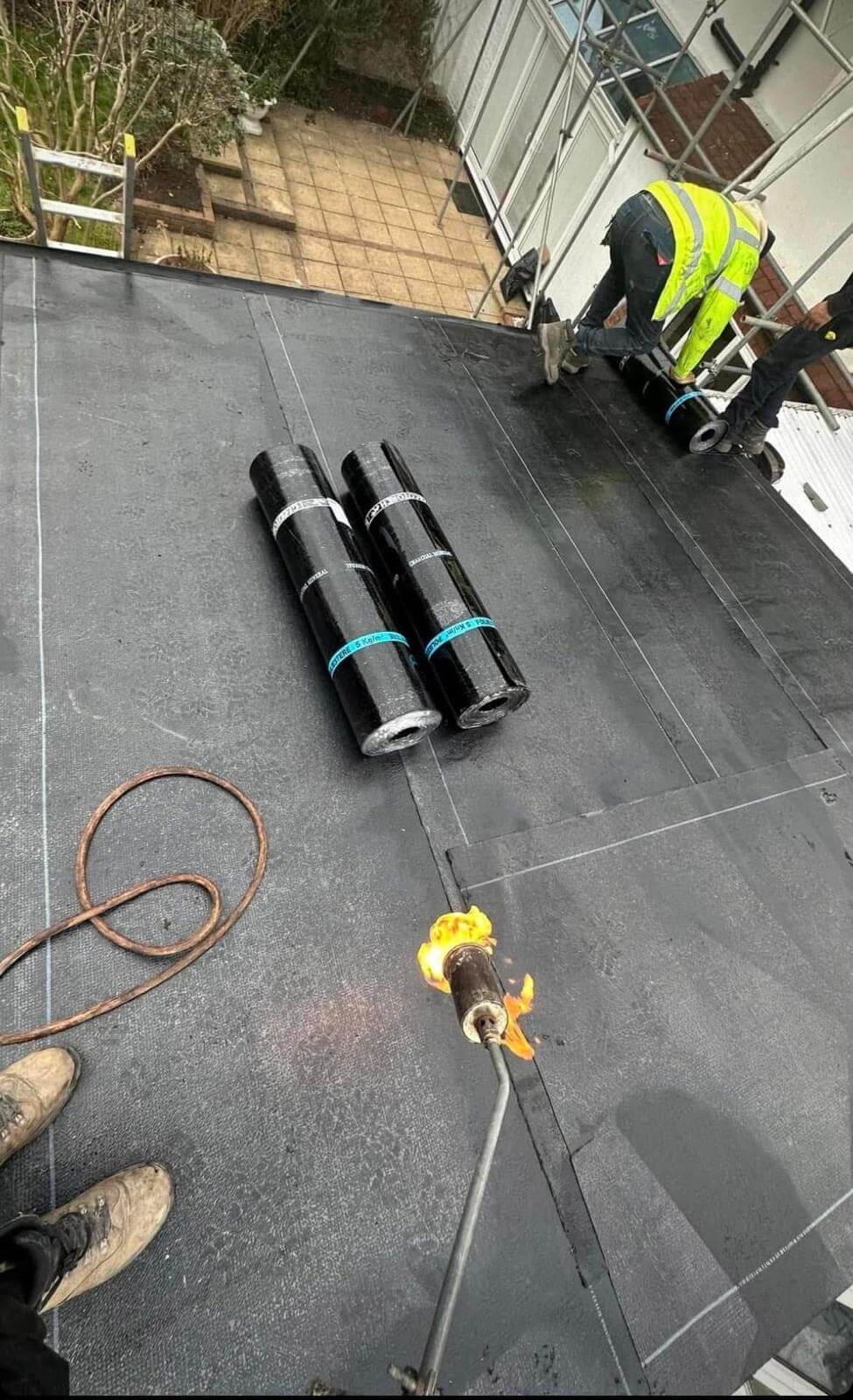
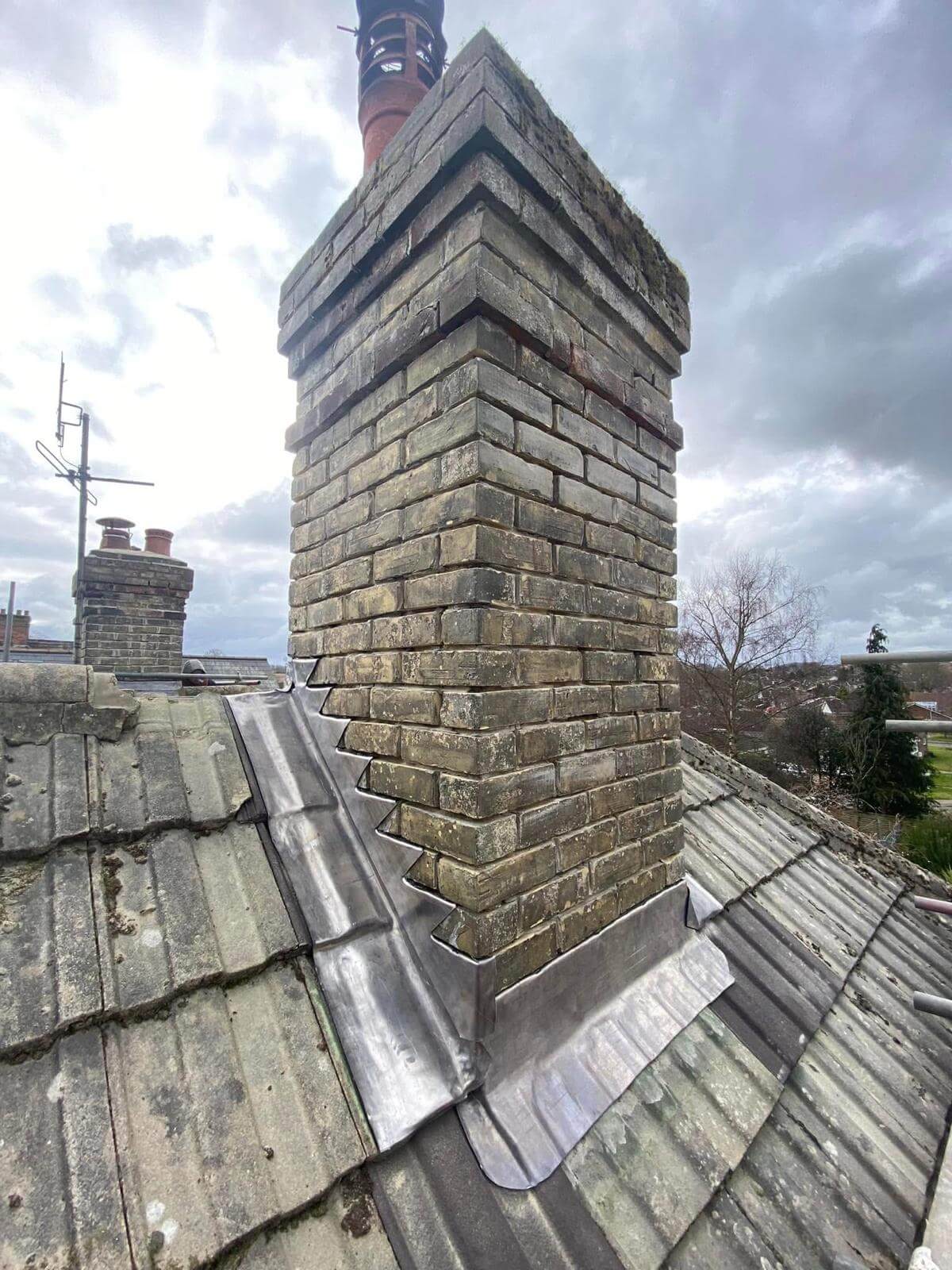
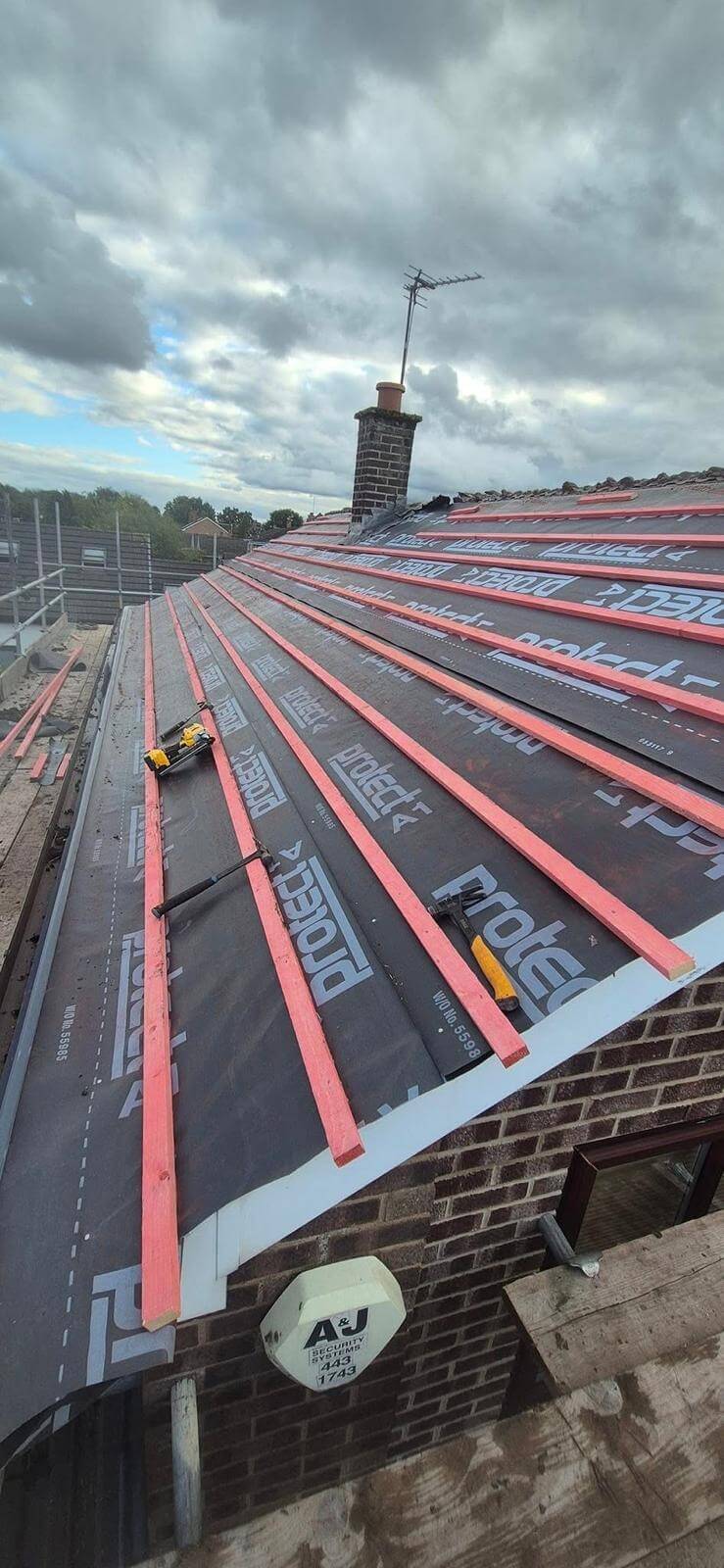
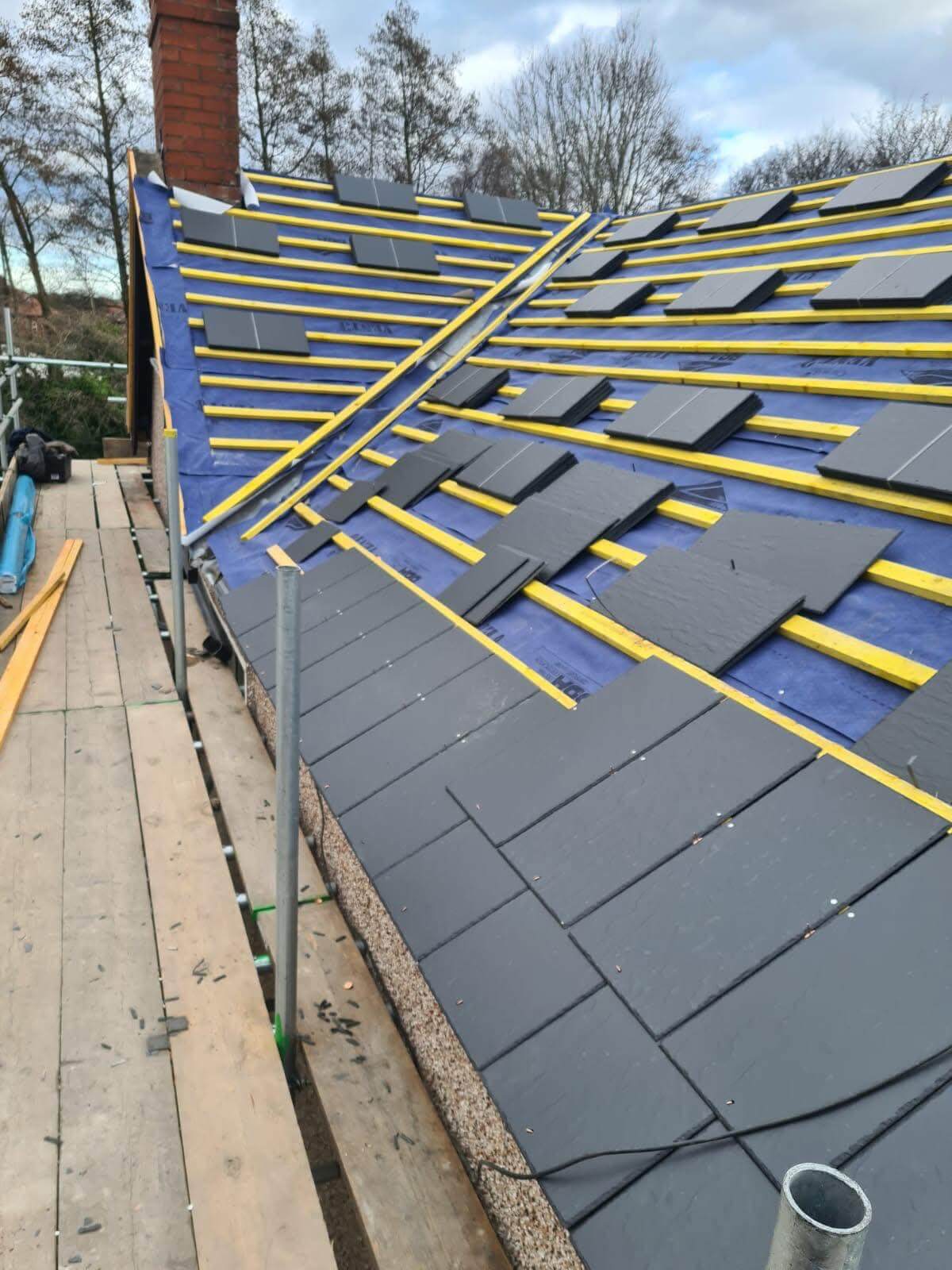
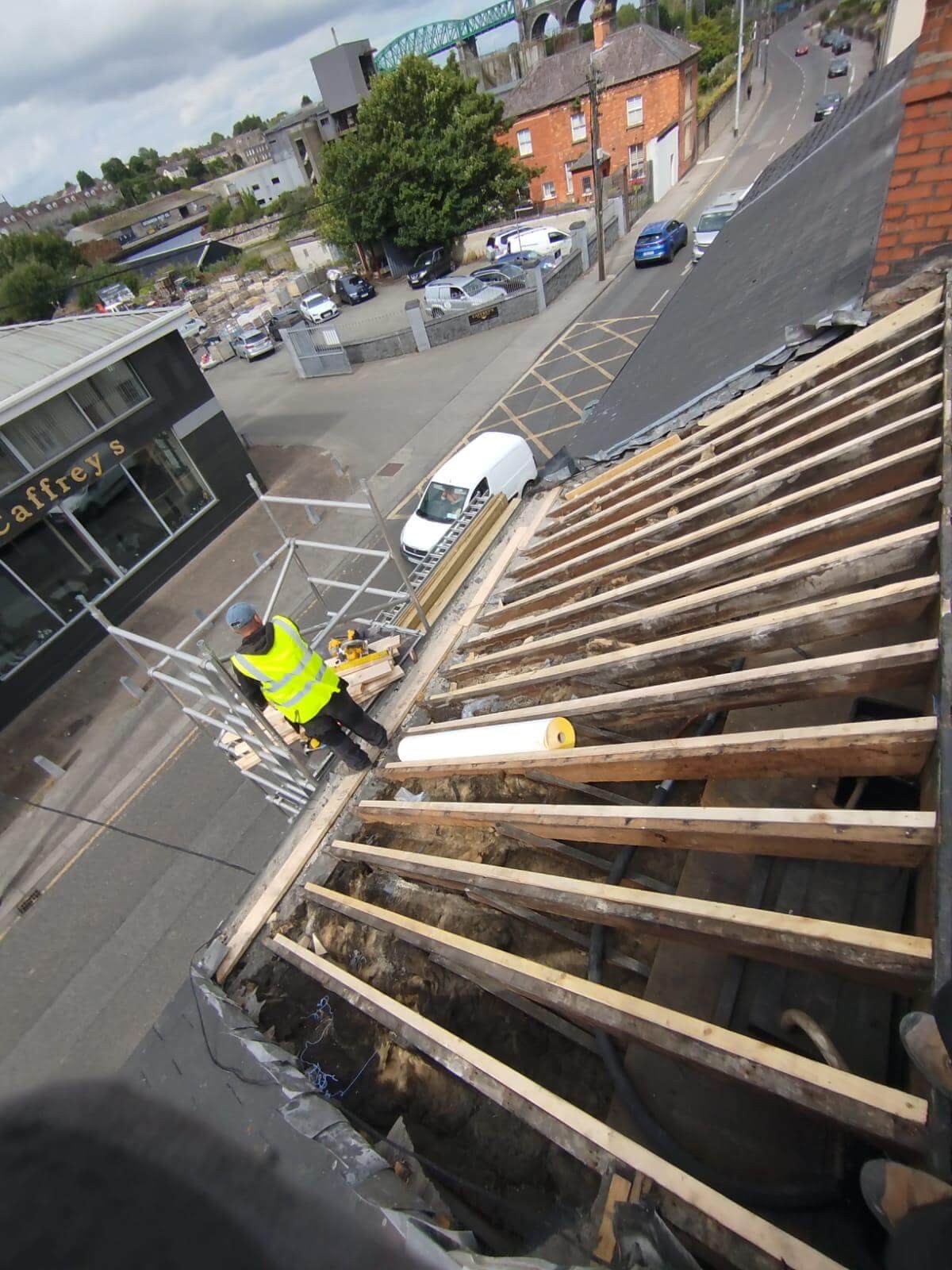
Photos Of Our Recent Roofing Jobs
Questions We Get About Gutter Repairs
My gutters are overflowing even though I had them cleaned recently — why?
If overflow persists after a genuine clean-out, the cause usually isn't debris — it's the fall, a sagging section, or a failed joint. We'll check for that specifically rather than just clearing it again and hoping.
Should I repair my cast iron gutters or replace them with uPVC?
Depends on condition and the property. Sound cast iron on a period property is often worth repairing and repainting rather than replacing, both for cost and for keeping the look consistent with an older building. If it's corroding badly at multiple joints, replacement — sometimes with a cast-effect uPVC to keep the appearance — can be the more sensible long-term call.
Is water coming down the wall definitely a gutter problem, or could it be the roof?
Not always the gutter. Water running down a wall can come from an overflowing gutter, but it can also be a roof flashing issue or a failed pointing joint higher up that's tracking down the wall face. We check both when we're up there, rather than assuming based on where the water shows up.
Do gutter guards actually work, or are they a waste of money?
They reduce leaf and debris build-up, particularly useful on properties surrounded by mature trees, but they're not a substitute for a gutter that has the correct fall and sound brackets to begin with — a guard on a badly pitched gutter just delays the same overflow problem slightly.
How often should gutters actually be cleaned in Tipperary?
Once or twice a year is reasonable for most properties — autumn is the obvious one after leaf fall, with a spring check worthwhile too on properties near mature trees. More frequent checks make sense if you're seeing overflow between scheduled cleans.
Any Questions?
Ask Us
What Affects the Price Of Repairing Your Gutters
Length of run — more gutter, more time and material, straightforwardly.
What's actually wrong — a straightforward clean and flow-check costs a fraction of bracket replacement or refitting a section to correct the fall.
Material — cast iron repair or matching is more specialist and typically costs more than uPVC, which is a far more common, easier-to-source system on newer builds.
Access and height — a bungalow or single-storey gutter is quicker and safer to work on than a two-storey property with a steep or awkward roofline, and that shows up in the price.
Downpipe condition — if a blockage lower down the downpipe is the actual cause, clearing or replacing that section is usually straightforward and shouldn't be priced like a full gutter overhaul.
More Roofing Services We Offer In Tipperary